
Ultherapy Cheek Hollowing Worries and Alltite Lifting
Key takeaway: Cheek hollowing after repeated Ultherapy is often not because Ultherapy is a bad treatment, but because deep-reaching energy was delivered again and again, at short intervals, to areas with little volume. In such cases, we suggest first checking your treatment history and the volume that remains, deciding which areas to protect, and then temporarily switching direction to Alltite lifting, which delivers heat over a wider area.
A concern often posted on our inquiry board
Posts asking which lifting to get now, because steady Ultherapy seems to have caused cheek hollowing, often appear on our website's inquiry board. You started lifting to tidy up a sagging jawline, so it is only natural to feel thrown when cheek hollowing suddenly makes you look older instead.
You may start to wonder whether Ultherapy simply does not suit your face, yet stopping lifting altogether brings its own worry about sagging again. This article explains, step by step, why cheek hollowing can appear after repeated Ultherapy and why O.N Clinic suggests Alltite lifting in such cases.
Cheek hollowing is not caused by Ultherapy being bad
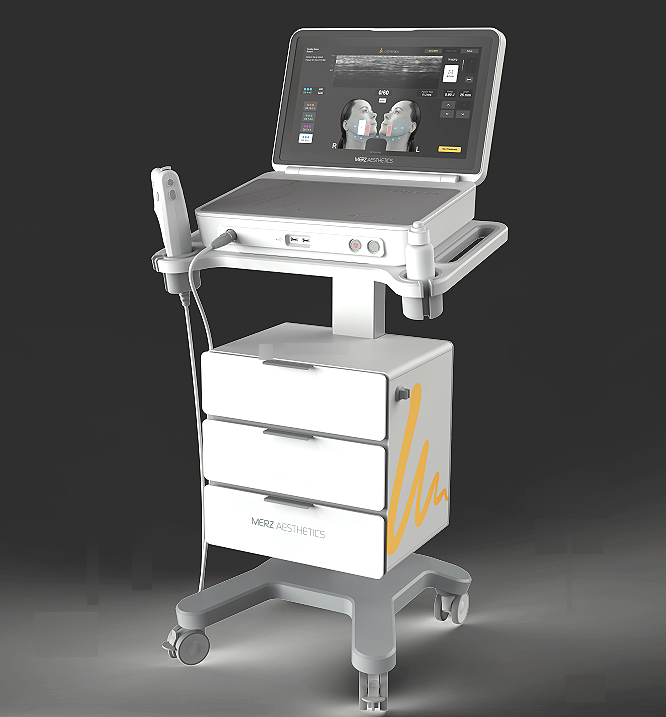
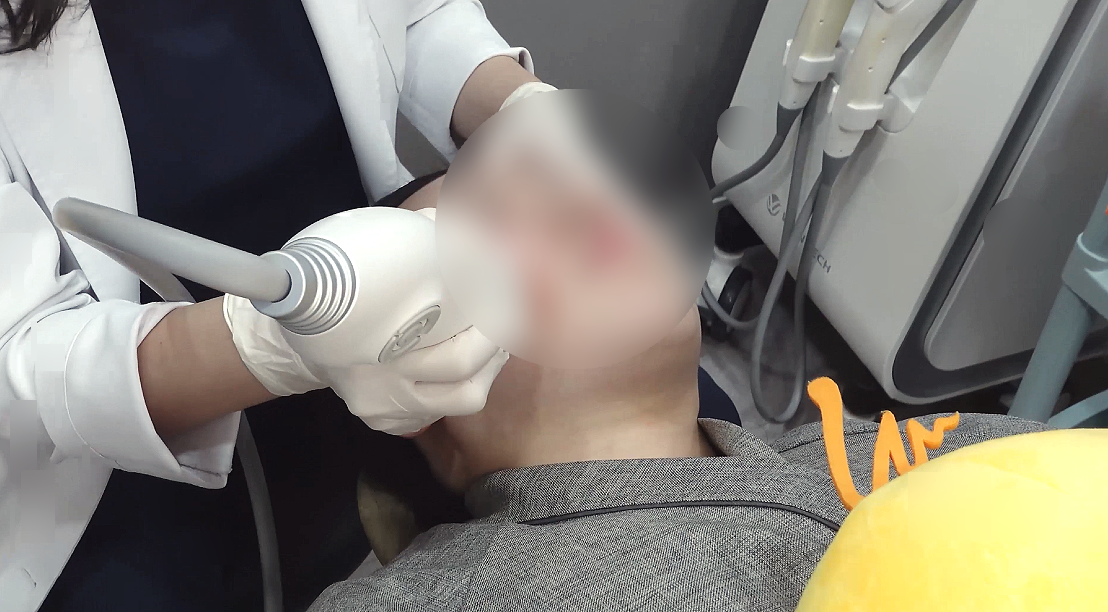
First, let me correct one misunderstanding. Ultherapy is known as a lifting device that focuses ultrasound energy on a single point and delivers it deep, close to the SMAS layer and fat layer. Its strength lies in holding sagging tissue from deep within, so it can be a good choice for faces with clear sagging and ample volume.
The problem arises when this deep energy is delivered repeatedly, at short intervals, to areas with little volume.

For someone whose face was not very full to begin with, the front of the cheeks or the area under the cheekbones can look sunken and feel like cheek hollowing. When this overlaps with the period in which volume naturally decreases with age, the change can feel even greater.
Where volume should be protected and where it should be tidied
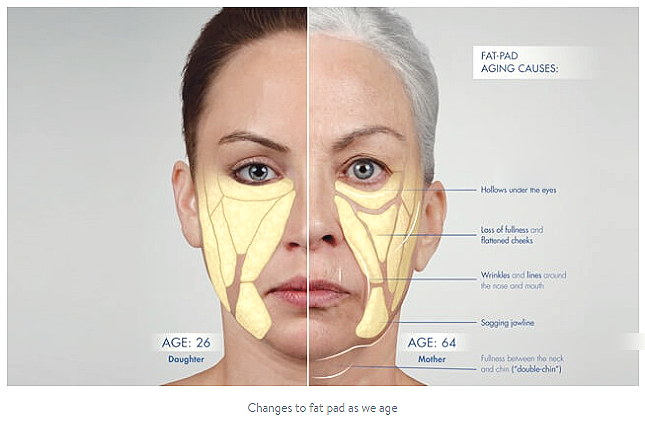
There is an even more important point here. A face has areas that look better with volume and areas that look better without it. Places that look droopy because of weight, such as under the jawline or beside the mouth, need tidying, while places that need volume to look lively, such as the front of the cheeks and under the cheekbones, should instead be protected.
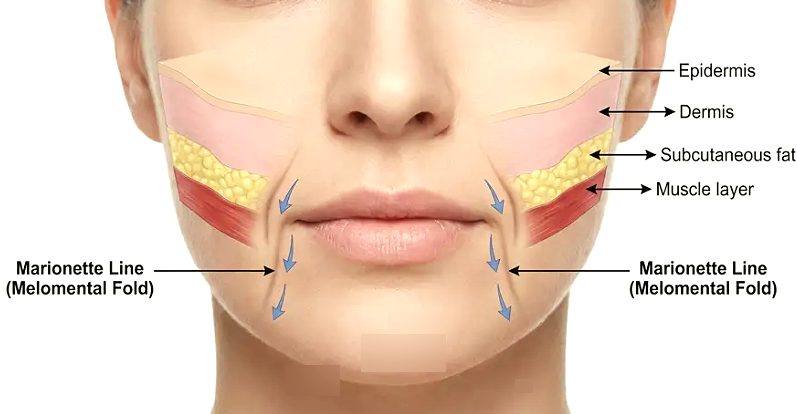
If the whole face is treated at the same depth and intensity without this distinction, even the best device can lead to a disappointing result such as cheek hollowing. In the end, the problem often lies less in the device itself than in how the treatment is designed and applied to your face.
That is why, when someone who has had repeated Ultherapy visits us, we start by carefully reviewing their treatment history. We check how often and on which areas they were treated, and where volume remains now and where it is lacking. The first step is judging whether continuing the same treatment in the same way still suits the face you have now.
We suggest Alltite lifting for faces like these
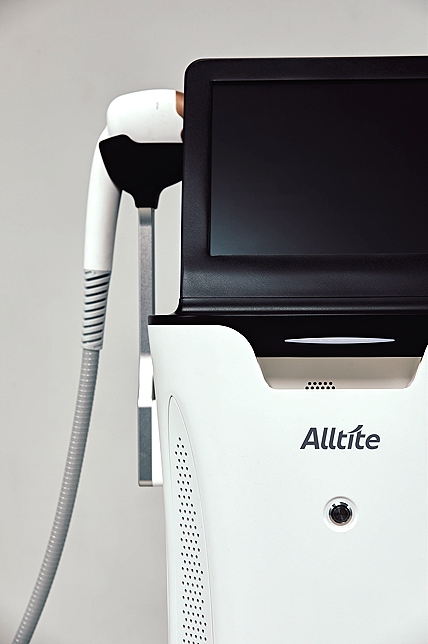
In such cases, the direction O.N Clinic suggests is Alltite lifting. Alltite is a lifting device that uses radiofrequency energy in the microwave range, and it is known to warm the inside of the skin broadly and evenly, centered on the dermis, to help collagen regeneration and improve elasticity. Unlike ultrasound, which concentrates energy on one point and sends it deep, it is closer to delivering heat broadly across a surface, and it is designed with a cooling function that works during treatment to protect the surface while delivering heat underneath.
For this reason, we often judge that lifting can continue with less worry about volume. The difference can feel especially meaningful for people whose faces were not very full to begin with, or who worry about cheek hollowing from repeated treatments.
Of course, this does not mean you should stop Ultherapy. Areas with deep sagging may still need ultrasound lifting, and if your skin condition changes, Ultherapy may be considered again. It means it is better, for now, to change direction toward what suits your face at present.
We divide the plan into three zones
We plan the face in three zones. The jawline or mouth area where sagging begins is where we focus, areas heavy with volume are where we refine the contour, and areas where hollowing is a concern, such as the front of the cheeks and the cheekbones, are where we protect. If the face has already lost volume, deciding which areas to protect is the starting point of the plan.
How many shots to use and how many sessions to split them into also differ from face to face. If the sagging covers a wide area or elasticity has dropped significantly, continuing with an adequate amount at intervals may be better, and we also explain in advance that doing less than the amount needed may make the results feel shorter-lasting or fall short of expectations. If cheek hollowing worries you, start your consultation by asking which areas of your face should be protected.
After Ultherapy and Alltite lifting, redness, swelling and temporary pain may occur, and in rare cases side effects such as burns, blisters or reduced sensation may occur. Effects and recovery vary depending on skin condition, age and treatment conditions.
In short, when you feel that cheek hollowing has appeared after Ultherapy, it is worth first looking back at whether the plan suited your face, rather than at the treatment itself. If you want to care for elasticity while protecting the areas that need volume, Alltite lifting with an area-by-area plan can be one option. What matters in lifting is not the amount but how well it fits your face.
Frequently asked questions
Why do the front of my cheeks look sunken after lifting?
When energy that reaches deep layers is delivered repeatedly to areas with little volume, they can look sunken. You may consider changing the plan toward protecting the areas that need volume.
My face is not very full. Can I keep getting lifting treatments?
If your face is on the slimmer side, firming the entire skin layer broadly may suit you better than pulling the deep layers. It is best to decide the direction after checking your treatment history and current volume together.
Is it better to get lifting a little at a time and often, or a lot at once?
The amount needed differs with the extent of sagging and the skin condition. Getting less than the amount needed may leave you disappointed, so decide on the amount and interval that suit your face together during consultation.
Visiting and consultation
O.N Clinic is near Gangnam Station, so it is easy to reach by subway.
If you are worried about cheek hollowing after Ultherapy, please note down the timing and areas of your past lifting treatments as best you can remember. It makes the consultation on dividing areas to protect and areas to focus on much more accurate. For any questions, feel free to reach us through Chat with us now.
First published 2026-11-14, last reviewed 2026-11-23
This article is for general information only, and the appropriate treatment and results may vary depending on each individual's condition.
More stories
Related articles for further reading.

Oligio XM HIFU vs RF: Which Mode Fits Your Face
HIFU and RF in Oligio XM are not rivals in strength but two methods that reach different depths, so we choose and divide them according to where sagging starts and how much volume each face has.

Vertical Neck Lines and Radiesse: Check Whether Muscle or Skin Is the Cause First
Whether Radiesse suits vertical neck lines depends on which weighs more: the bands formed by the neck muscle or thinning, loosened neck skin.

Oligio Reviews and Lifting Zones: Where to Focus, Refine, and Protect
Why Oligio reviews split between natural and awkward results, explained through three facial zones: areas to focus on, areas to refine and areas to protect.

Titanium Lifting Combined with Gouri Booster: What the Combination Does
Titanium lifting handles the face line and the Gouri booster the skin foundation, so combining them divides different concerns rather than doubling the effect.

Alltite 400 Shots in One Session: Results and How Shots Are Distributed
The result of a single 400-shot Alltite lifting session depends less on the number than on how far sagging has progressed and how the 400 shots are divided across the face.

Pain and Results in Thermage Reviews: Energy Adjustment Is the Key
The pain often mentioned in Thermage reviews is not something to simply endure but a guide for setting intensity, and results are best viewed as a same-day change and a change around one month later.