
Titanium Lifting Side Effects and Hollow Cheeks: Energy Distribution and Areas to Protect
Key summary: Hollow cheeks, the Titanium Lifting side effect many people worry about, often come from how energy is distributed rather than from the device itself. Deciding before treatment where and how much energy to deliver, and dividing the face into areas to focus on, areas to refine and areas to protect, can greatly ease vague worries about hollow cheeks.
If you have been putting off Titanium Lifting because of hollow cheeks
Look up Titanium Lifting side effects and you will find quite a few posts from people worried about developing hollow cheeks. After reading a few of them, you may start to wonder whether the device itself is risky, and the worry grows if your face was never very full to begin with. Yet there are clearly people who had the same Titanium Lifting and came away with a naturally refined look and no hollow cheeks.
What made the difference between those two outcomes? Dr. Oh Seung-min, Representative Director of O.N Clinic Gangnam, explains that the thing to question may not be the device at all. This article covers two things worth knowing if you are worried about hollow cheeks: energy distribution and dividing the face into zones.

Hollow cheeks come from energy distribution more than from the device
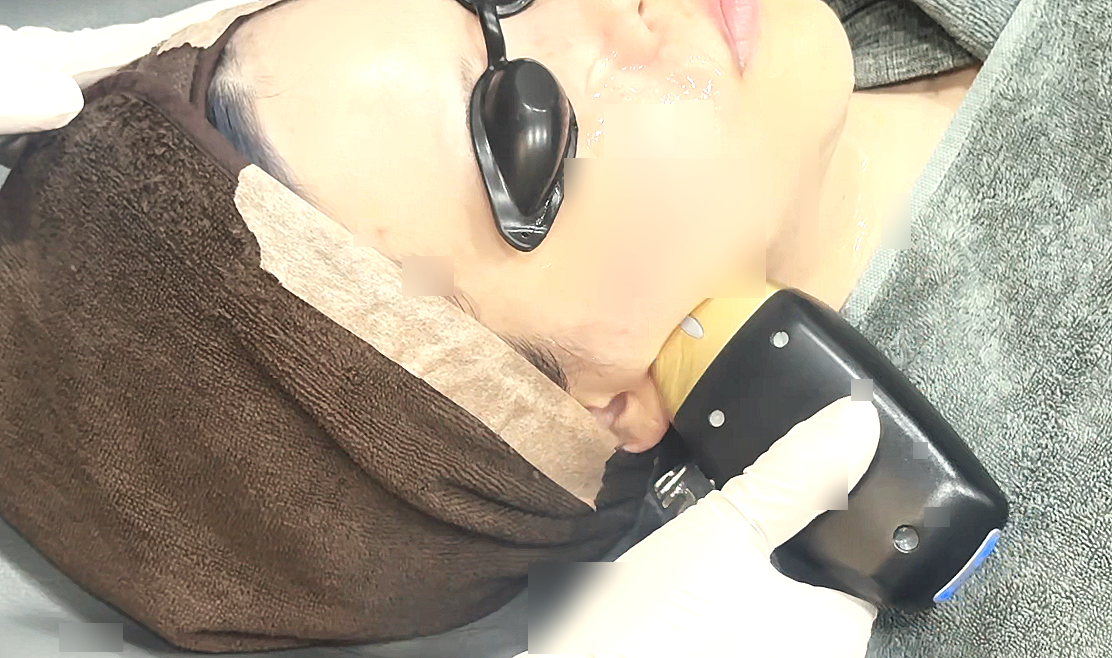
Titanium is known as a lifting device that fires diode lasers at three wavelengths at the same time, spreading heat across several layers. During treatment, cooling works on the surface in contact with the skin, a design meant to protect the outer skin while sending heat deeper.
What decides the result is where that heat builds up, and how much. Heat is only a tool for improving sagging, and the outcome depends on where that tool is used.
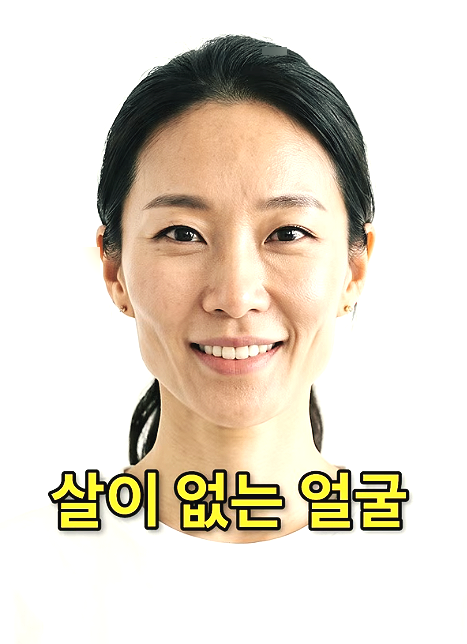
When too much energy is concentrated on an area with little volume, the attempt to correct sagging can actually make that spot look sunken. The Titanium Lifting side effect known as hollow cheeks often stems from this distribution rather than from the device. Even with the same device and the same total amount, the impression left on the face can be completely different depending on where and how much energy was focused.
Can skilled hands alone prevent hollow cheeks?
It is often said that you can avoid hollow cheeks by going to an experienced doctor. Skilled technique is certainly important. But something has to be decided before that: a distribution standard for where to deliver energy, where to pass over lightly and where to leave untouched.
Without this standard, no matter how skilled the hands, it is easy to end up spreading a similar amount of energy evenly across the whole face. Even distribution looks safe, but for areas with little volume, even that much energy can be a burden, while areas with obvious sagging may feel undertreated.
That is why Dr. Oh Seung-min, Representative Director, sets the distribution before treatment. Distribution is the standard that tells the practitioner's hands where to go, and technique is the ability to carry out that distribution precisely, so neither is enough on its own.
Three zones divided like makeup: areas to focus on, refine and protect
Picture yourself putting on makeup in front of the mirror and it becomes easy to understand. Nobody applies the same product in the same amount over the whole face. You naturally divide it into highlights that add light, shading that sculpts with shadow and spots you leave alone. Makeup and lifting are more alike than you might think in that both work with the face, and Titanium Lifting is approached the same way.
The face is divided into three zones, areas to focus on, areas to refine and areas to protect, with a clear standard for each. Spots where sagging begins, such as the jawline or around the mouth, are areas to focus on, and spots that look heavy and dull are areas to refine, where the contour is sculpted. Spots with little volume or where hollowing is a concern, such as the front of the cheeks, are areas to protect, where the intensity is lowered or the area is sometimes left out entirely. The more worried someone is about hollow cheeks, the earlier the areas to protect are decided.
Just as piling highlight in one spot makes only that spot look shiny, emphasizing a single area in lifting makes only that area stand out. Just as there are spots in makeup that look better left alone, there are spots in lifting that are best left untouched, and doing less rather than more leads to a satisfying result more often than you might think.
One thing worth trying before your consultation
Tomorrow morning when you put on makeup, try to notice the spots where your hands linger longest. These are the spots you keep going back to, whether to hide or to bring out, the places you cover with concealer several times or add an extra layer of shading.
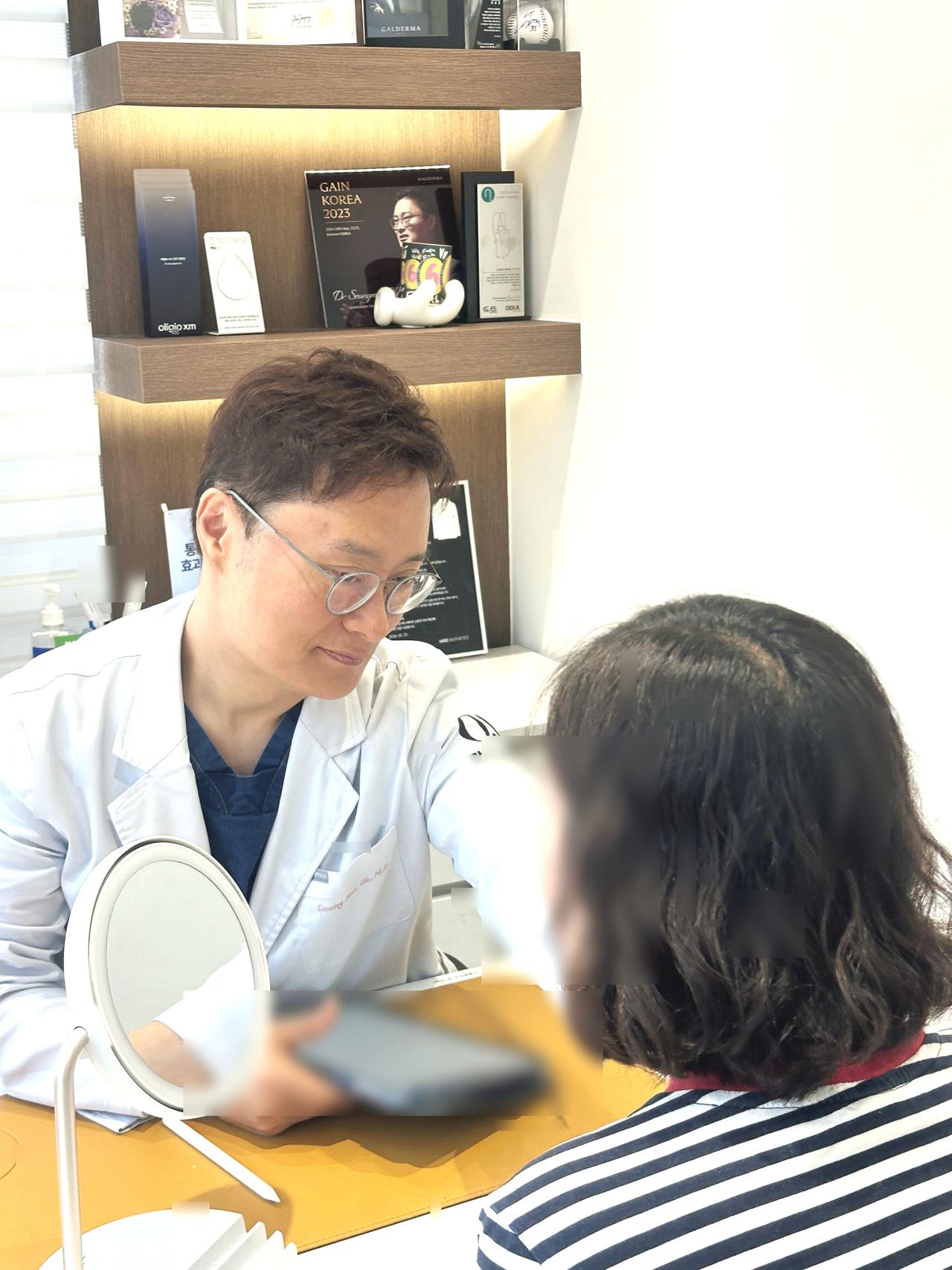
If you mention those spots during your Titanium Lifting consultation, they become clues for finding the areas that need a little more attention during treatment. No one has more accurate information about your face than the person who looks at it every day.
Hollow cheeks after Titanium Lifting are not something to blame on the device alone. How energy is divided, and how clearly the areas to focus on, refine and protect are set, often decide the outcome. Before choosing a device, we recommend first checking which areas of your face need protecting.
After treatment, redness, swelling and a temporary feeling of warmth may appear, and in rare cases side effects such as burns or pigment changes may occur. Effects and recovery vary with skin condition, age and treatment conditions, and whether to proceed, and how, is decided after a consultation.
Frequently asked questions
Can I get Titanium Lifting if my cheeks were never full?
In a face with little volume, too much energy can make areas look sunken, so it is important to decide the areas to protect first and adjust the intensity. It is best to divide the face into zones during a consultation and then set the direction of treatment.
If the clinic is experienced, isn't there nothing to worry about with hollow cheeks?
Skilled technique matters, but it needs to come with a standard for where and how much energy to distribute. At O.N Clinic, the distribution for each area is decided before treatment.
What should I do if I think I have hollow cheeks after lifting?
Things can look that way for a while as swelling goes down, so it is best to talk first with the clinic where you were treated. When volume is lacking, ways to restore it may also be considered.
Visiting and consultation
O.N Clinic is located near Gangnam Station, so it is easy to reach by subway.
If you are worried about Titanium Lifting side effects, think ahead about whether your cheeks tend to be thin, where your hands linger longest when you put on makeup and which area of sagging you most want to improve. It will make it easier to divide the areas to protect and the areas to focus on during your consultation. Feel free to leave any questions via Chat with us now.
Written by Dr. Oh Seung-min (Representative Director of O.N Clinic, graduate of Seoul National University College of Medicine, Chair of the Academic Committee of the Korean Society for Laser, Dermatology and Trichology). His full background is available on Our Doctors. First published 2026-11-28, last reviewed 2026-11-29
This article is for general information only. The right treatment and its results can differ depending on each person's condition.
More stories
Related articles for further reading.

Oligio XM HIFU vs RF: Which Mode Fits Your Face
HIFU and RF in Oligio XM are not rivals in strength but two methods that reach different depths, so we choose and divide them according to where sagging starts and how much volume each face has.

Vertical Neck Lines and Radiesse: Check Whether Muscle or Skin Is the Cause First
Whether Radiesse suits vertical neck lines depends on which weighs more: the bands formed by the neck muscle or thinning, loosened neck skin.

Oligio Reviews and Lifting Zones: Where to Focus, Refine, and Protect
Why Oligio reviews split between natural and awkward results, explained through three facial zones: areas to focus on, areas to refine and areas to protect.

Titanium Lifting Combined with Gouri Booster: What the Combination Does
Titanium lifting handles the face line and the Gouri booster the skin foundation, so combining them divides different concerns rather than doubling the effect.
Alltite 400 Shots in One Session: Results and How Shots Are Distributed
The result of a single 400-shot Alltite lifting session depends less on the number than on how far sagging has progressed and how the 400 shots are divided across the face.

Pain and Results in Thermage Reviews: Energy Adjustment Is the Key
The pain often mentioned in Thermage reviews is not something to simply endure but a guide for setting intensity, and results are best viewed as a same-day change and a change around one month later.