
Onda Lifting Downtime, Swelling and Energy Distribution
Key takeaway: Swelling the day after Onda Lifting does not mean the treatment failed, and swelling and results should be looked at separately. If you want less downtime, check first where and how the energy is distributed rather than cutting the joules; that is the way to manage swelling and results together.

If your jawline looks blurrier in the mirror the morning after treatment, you may panic and think your double chin has gotten worse. Quite a few people researching Onda Lifting search for swelling before they search for results, and if you have work or plans coming up, downtime is probably even more on your mind. This article sorts those worries into two questions.
Why does swelling happen after Onda Lifting?
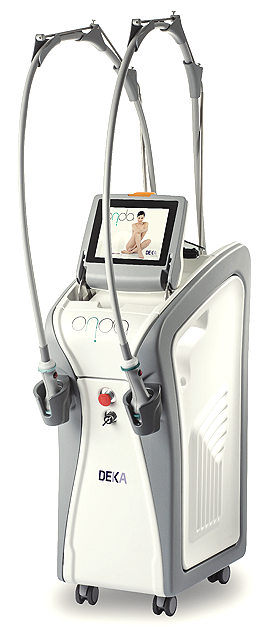
Onda is known as a device that delivers heat to the fat layer under the skin using microwave energy. Because it targets the fat layer below rather than the epidermis, many people with fat concerns such as a double chin or extra fullness under the jaw seek it out. During treatment a cooling function works at the same time to cool the skin surface, and it is known to be designed to protect the surface while heat reaches the deeper layer.
When heat reaches the fat layer, the surrounding tissue reacts and temporary swelling can appear. So swelling right after treatment does not mean something has gone wrong; you can see it as the normal response of tissue that has received heat.
Swelling and results are separate
It is easy to assume that heavy swelling means the treatment did not work or that you have even gained weight, but these are two separate matters. While swelling remains, the facial contour tends to look softer than it really is, so judging results in the mirror during this period is unreasonable. There is no need to worry because you are swollen, and no need to doubt the results because you are not.
The degree of swelling differs from person to person. Even with the same Onda Lifting, it varies with factors such as skin thickness, amount of fat, treatment area and whether you tend to swell easily. If swelling concerns you, avoid habits that make it worse, such as salty food, alcohol and saunas, for a few days after treatment. Late-night snacks and drinks on the night of treatment also tend to make swelling last longer.
That is why the first thing I tell patients is not to judge the result by their face the day after treatment. The facial contour after the swelling has gone down is closer to the real result. If you have an important event, scheduling the treatment with plenty of time to spare is also a way to manage downtime.
Will fewer joules mean less swelling?
Some people worried about swelling wonder whether they could simply lower the joules. This idea is only half right. Onda Lifting with fewer joules may cause less swelling, but the change you hoped for may also be smaller.
Onda often states the total energy delivered during treatment in kJ (kilojoules). A bigger number does not mean a proportionally bigger effect, and a smaller one does not necessarily mean less swelling. What matters more is where and how that energy is distributed.
The key to less swelling is energy distribution
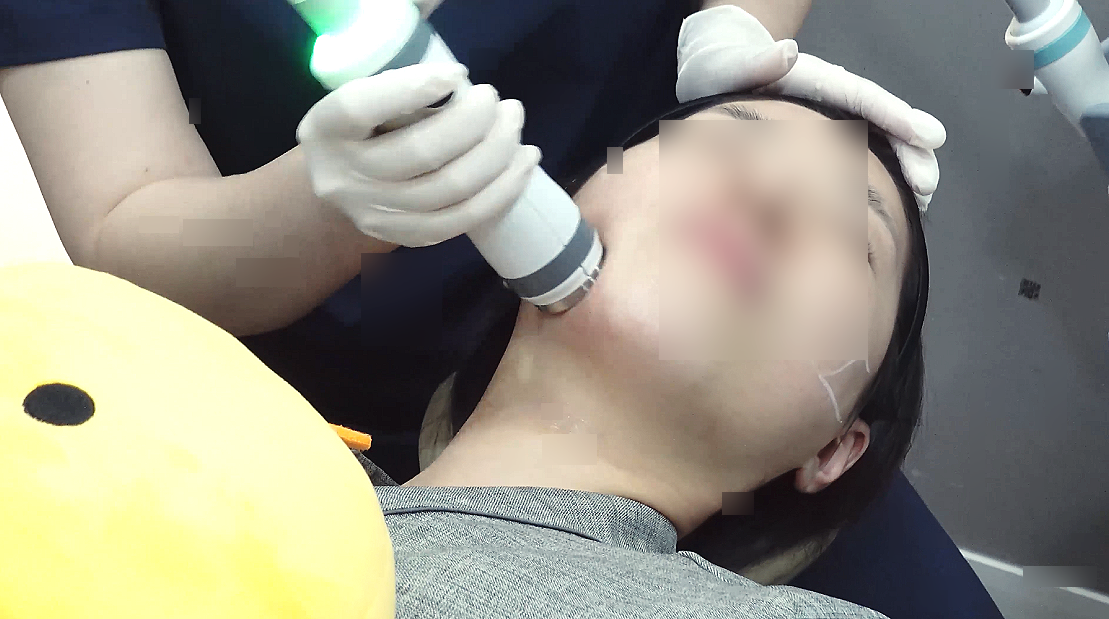
Onda is a device strong enough to reach the fat layer. Even with the same total, concentrating delivery on a single area can build up too much heat, which can increase swelling or, in rare cases, lead to side effects such as burns.
That is why I do not repeatedly put excessive energy into the same area. Areas where fat gathers, such as a double chin, get enough energy, but I spread passes over a wide range so heat does not build up in one place. I lower the intensity on thin-skinned areas and keep checking the skin surface temperature and reaction throughout treatment. If a signal that it feels hot is ignored, worry can end up outweighing the results.
Distributing energy this way lets the areas that need it receive the right amount while reducing unnecessary swelling and burden. The secret to less swelling is closer to receiving it smartly distributed than to receiving less. It is tempting to compare joules alone, but downtime and results can turn out completely differently depending on how the energy is distributed.
After Onda Lifting, swelling, redness, temporary pain or reduced sensation may occur, and in rare cases side effects such as burns or nodules can develop. Results and recovery vary with skin condition, amount of fat and treatment settings.
To sum up, there are two things to remember. Swelling is not a sign that the treatment did not work, and the way to reduce swelling lies in distributing energy appropriately. Try not to be too alarmed by a swollen face the next day, and check the results after the swelling has gone down.
Frequently asked questions
Will it show if I go to work the day after lifting?
The degree of swelling and redness depends on your skin condition and the treatment area. If you have an important event, you will feel more at ease scheduling the treatment with time to spare.
What should I avoid to bring swelling down quickly?
For a few days after treatment, it is best to stay away from habits that can increase swelling, such as salty food, alcohol and saunas. Please also avoid pressing or rubbing the treated area hard.
Should I put up with it if it gets too hot during treatment?
Heat that is hard to bear is not something to endure; it is a signal you should tell us about right away. The medical team can adjust the intensity and range while watching your reaction.
Visiting and consultation
O.N Clinic is near Gangnam Station, so it is easy to reach by subway.
If you are worried about downtime before Onda Lifting, let us know in advance about any important upcoming events and the area that concerns you most. This makes it easier to decide the date and energy distribution together during the consultation. Feel free to leave any questions via Chat with us now.
Written by Dr. Oh Seung-min (Representative Director of O.N Clinic, graduate of Seoul National University College of Medicine, Academic Committee Chair of the Korean Society for Laser, Skin and Hair). You can find his full background on the medical team page. First published 2026-11-11, last reviewed 2026-11-23
This article is for general information only, and the appropriate treatment and results may vary depending on each individual's condition.
More stories
Related articles for further reading.

Oligio XM HIFU vs RF: Which Mode Fits Your Face
HIFU and RF in Oligio XM are not rivals in strength but two methods that reach different depths, so we choose and divide them according to where sagging starts and how much volume each face has.

Vertical Neck Lines and Radiesse: Check Whether Muscle or Skin Is the Cause First
Whether Radiesse suits vertical neck lines depends on which weighs more: the bands formed by the neck muscle or thinning, loosened neck skin.

Oligio Reviews and Lifting Zones: Where to Focus, Refine, and Protect
Why Oligio reviews split between natural and awkward results, explained through three facial zones: areas to focus on, areas to refine and areas to protect.
Titanium Lifting Combined with Gouri Booster: What the Combination Does
Titanium lifting handles the face line and the Gouri booster the skin foundation, so combining them divides different concerns rather than doubling the effect.
Alltite 400 Shots in One Session: Results and How Shots Are Distributed
The result of a single 400-shot Alltite lifting session depends less on the number than on how far sagging has progressed and how the 400 shots are divided across the face.

Pain and Results in Thermage Reviews: Energy Adjustment Is the Key
The pain often mentioned in Thermage reviews is not something to simply endure but a guide for setting intensity, and results are best viewed as a same-day change and a change around one month later.