
Titanium Lifting: STACK Mode vs SHR Mode
Key takeaway: STACK and SHR are two modes in Titanium lifting that decide how the same kJ of heat is delivered to the face. SHR mode spreads energy widely and evenly across shallow layers, while STACK mode builds energy deep within a narrow area, so they differ in depth and distribution rather than strength. In actual treatment, the two modes are mixed and allocated by area.
Why the mode matters when you have only been choosing kJ
Quite a few people are caught off guard when they first hear the terms STACK mode and SHR mode in the consultation room. When looking into Titanium lifting, most people only weigh whether to get 40kJ, 60kJ or 80kJ and do not pay much attention to the mode.
Even at the same kJ, though, the direction the results take can differ quite a bit depending on which mode is used and where on the face the energy is delivered. These days, more people ask specifically about the difference between the two modes or request a focus on a particular mode. In this article, Dr. Oh Seung-min, Representative Director of O.N Clinic in Gangnam, explains the difference between STACK and SHR, and how that difference carries through to the results of Titanium lifting.

A three-wavelength diode laser: the basic structure of Titanium
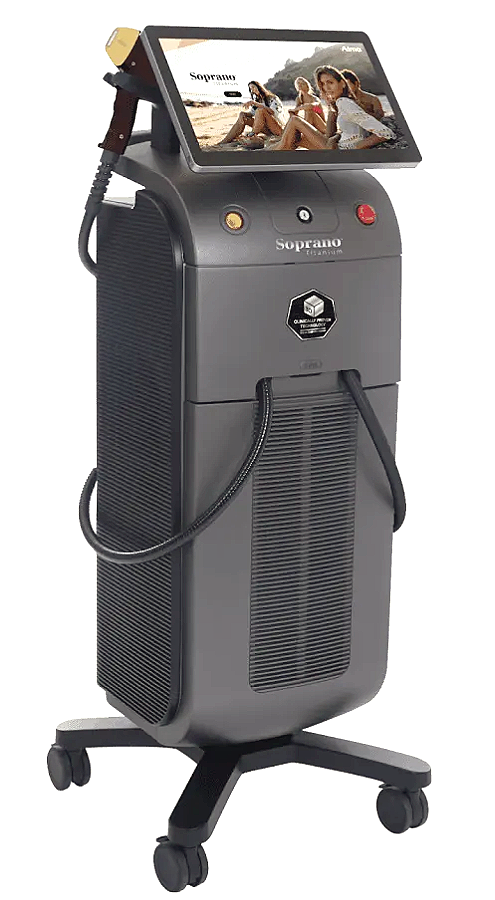
Titanium is a device that emits diode laser light at three wavelengths, 755nm, 810nm and 1064nm, at the same time. Each wavelength reaches a slightly different depth in the skin, so it is known for sending heat to several layers in a single pass.
During treatment, contact cooling chills the surface touching the skin, a design meant to protect the surface while sending heat deeper. The mode is what decides how this heat is delivered to the face, and even with the same device and the same total amount, changing the mode changes how the heat goes in.
Comparing SHR mode and STACK mode
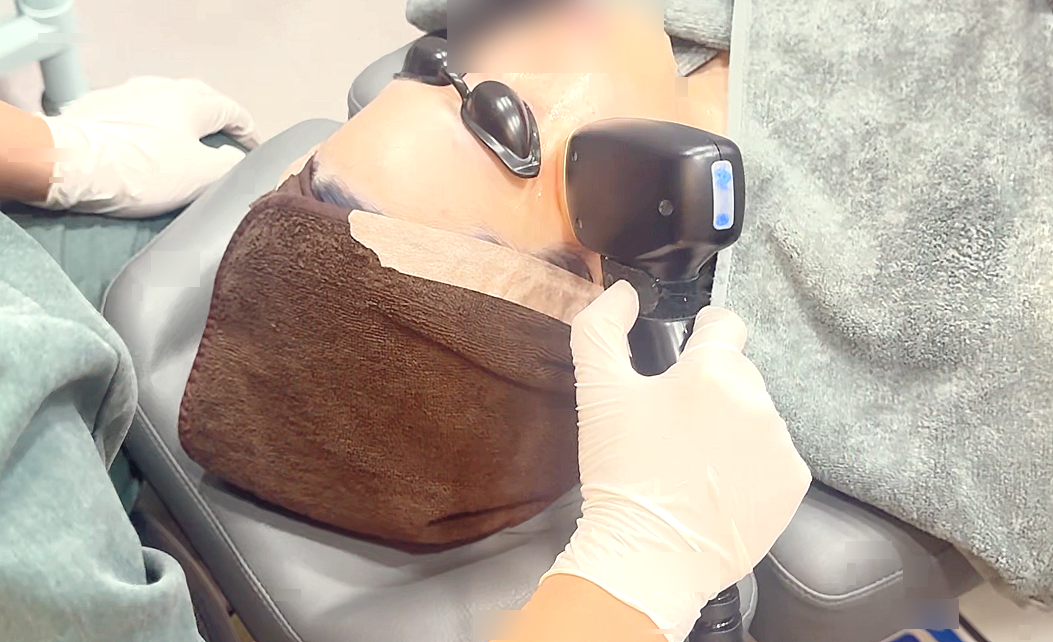
In SHR mode, the handpiece stays in contact with the skin while relatively low energy is delivered in rapid repetition. Rather than putting in strong energy at once, it raises the heat gradually over many passes, so it is good at treating a wide area evenly. Because the heat does not spike suddenly, many people find it less uncomfortable during treatment.
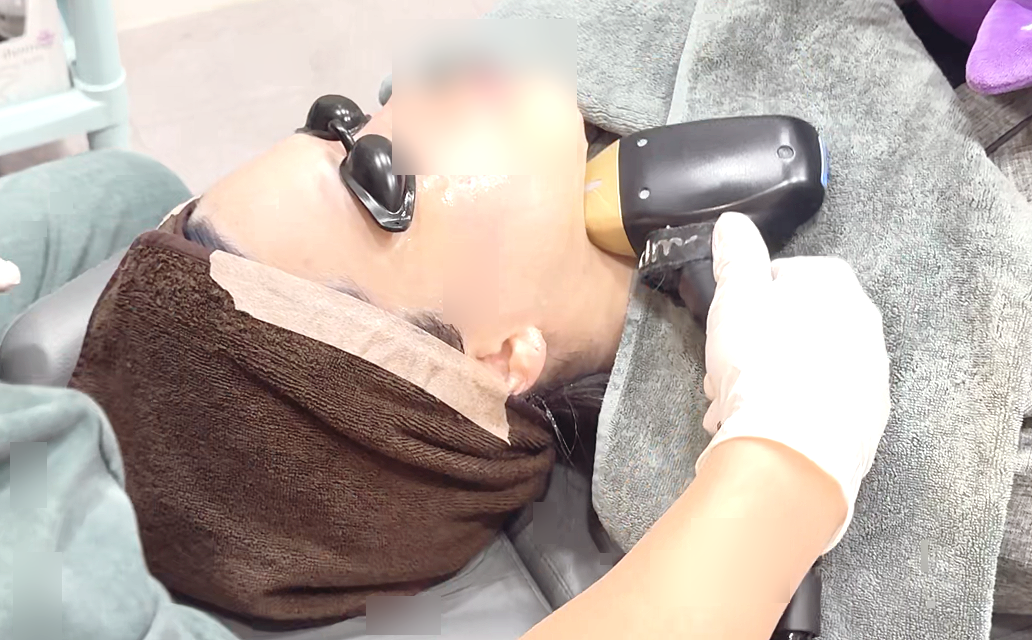
STACK mode, instead of sweeping widely, is known for concentrating energy in a set narrow area and stacking it layer upon layer to send heat to deeper layers. So it is mainly used where force needs to go into the deep support structures that hold up sagging, and because the heat gathers in one spot, it may feel hot during treatment.
| Category | SHR mode | STACK mode |
|---|---|---|
| How energy is delivered | Low energy repeated rapidly | Stacked layer upon layer in a narrow area |
| Area reached | Shallow layers, widely and evenly | Narrow and deep range |
| Feeling during treatment | Relatively less discomfort | May feel hot |
| Main areas used | Overall firming of the whole face | Areas with clear sagging, such as the jawline and around the mouth |
It is easy to think of STACK as the strong mode and SHR as the weak one, but the difference between them is closer to the depth and distribution of the energy than to strength.
How Titanium lifting results differ by mode
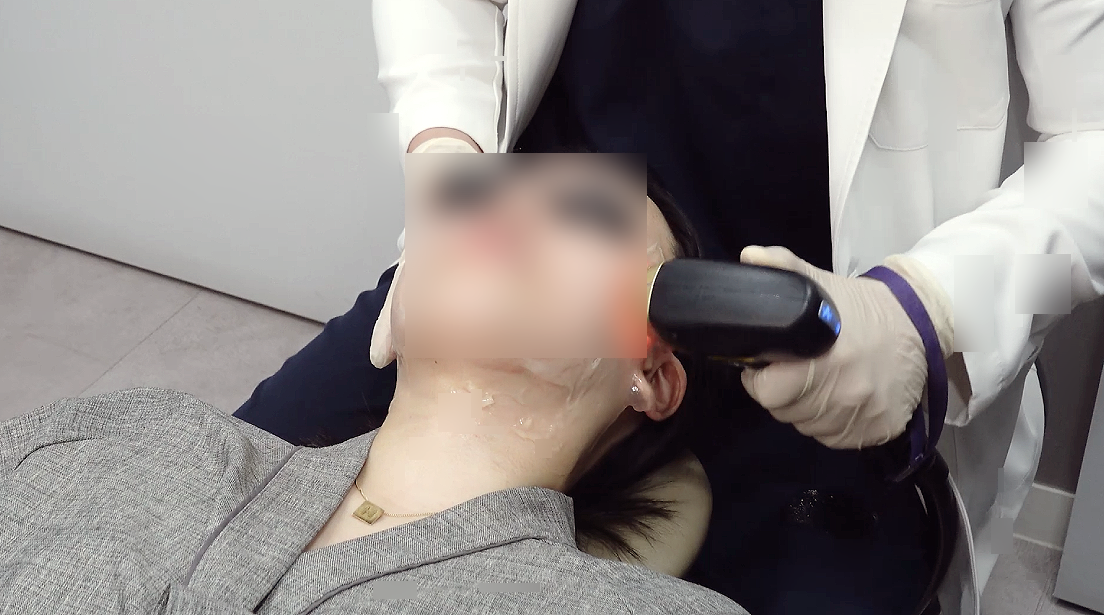
SHR mode is mainly used to firm up the whole face broadly. Because the heat builds slowly and evenly, the focus is on firming the face overall without any one spot standing out. If sagging is not significant but your face feels less firm overall, putting more weight on SHR may give a more natural result.
STACK mode tends to be used when the focus needs to be on areas with visible sagging, such as the jawline or around the mouth. Because the energy goes deep within a narrow range, it suits areas where you want to define a blurred facial contour, and it plays a clear role in faces where overall firmness is fine but the jawline alone looks especially loose.
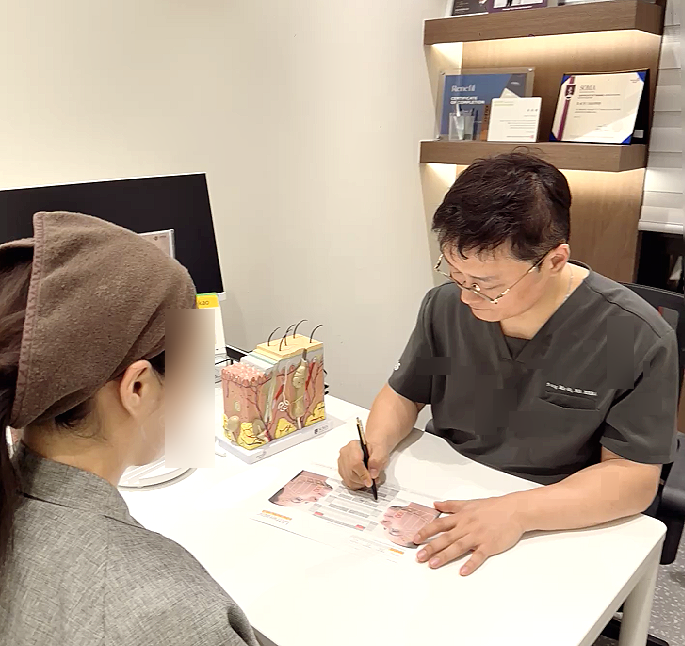
Focusing also means more care is needed. Sending overlapping heat to the same spot can put more strain on areas with thin skin or little volume, and using STACK mode too aggressively where hollowing is a concern, such as the front of the cheeks, may make the face look gaunt in the process of refining the jawline. Choosing the wrong mode does not just mean weaker results; it means useless energy goes into the wrong places.
An allocation plan that does not stick to a single mode
That is why O.N Clinic does not perform Titanium lifting in a single mode. We design the treatment as a mix: the whole face is evenly refined with SHR mode, areas where sagging is starting get extra force with STACK mode, and areas with little volume are passed over lightly.
Whether the total is 40kJ, 60kJ or 80kJ, it is set before treatment. Within that amount, we divide how much goes to which area and in which mode. In the end, the mode is closer to a tool for deciding how a set amount of energy is distributed across the face.
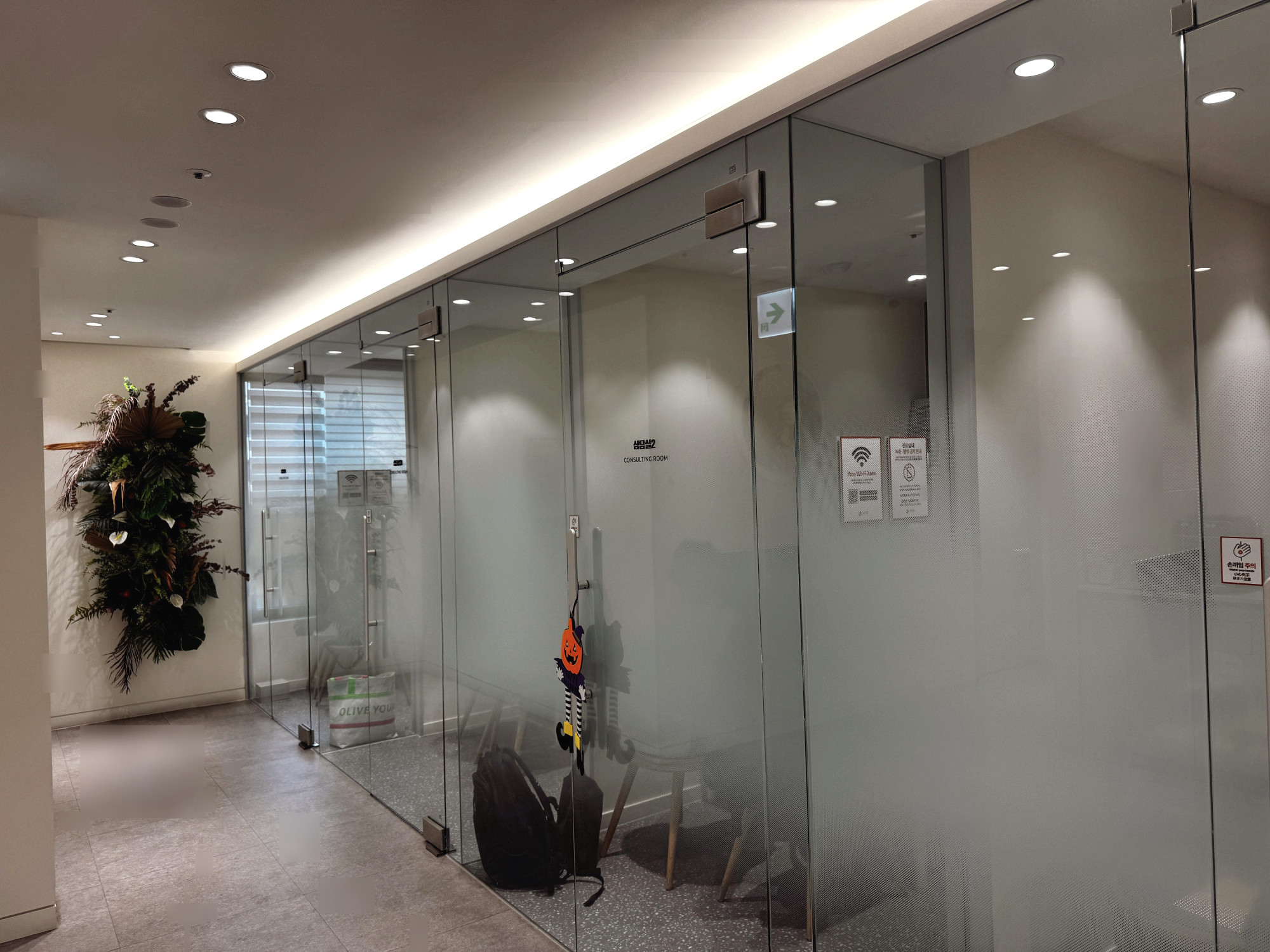
The names may sound difficult, but in short it is simple. SHR mode sends energy widely and evenly across shallow layers, and STACK mode sends it into a narrow, deep range. What matters is not which mode is better but what suits each area of your face, and even at the same kJ, the character of the results can differ depending on how the modes are allocated.
Frequently asked questions
Wouldn't focusing on one area give stronger results?
For areas with clear sagging, a focused approach can help. On the other hand, it can be a strain on areas with thin skin or little volume, so it is important to separate the areas to treat broadly from the areas to focus on.
Do I have to choose the treatment mode myself?
The mode is usually decided by the medical team at the planning stage, based on the condition of your face and each area. If you are curious, feel free to ask in advance which mode will be used on which area.
Does a stronger feeling of heat mean better results?
Stronger heat does not mean correspondingly greater results. If you feel heat that is hard to bear, please tell us right away so we can adjust the intensity and method.
Visiting and consultation
O.N Clinic is near Gangnam Station, so it is easy to reach by subway.
If you have Titanium lifting coming up, think ahead about the sagging areas on your face that bother you most and the spots where you are worried about hollowing. It makes the consultation on allocating the modes much more specific. Feel free to leave any questions via Chat with us now.
Written by Dr. Oh Seung-min (Representative Director of O.N Clinic, graduate of Seoul National University College of Medicine, Academic Committee Chair of the Korean Society for Laser, Skin and Hair). You can find his full background on the medical team page. First published 2026-11-16, last reviewed 2026-11-23
This article is for general information only, and the appropriate treatment and results may vary depending on each individual's condition.
More stories
Related articles for further reading.

Oligio XM HIFU vs RF: Which Mode Fits Your Face
HIFU and RF in Oligio XM are not rivals in strength but two methods that reach different depths, so we choose and divide them according to where sagging starts and how much volume each face has.

Vertical Neck Lines and Radiesse: Check Whether Muscle or Skin Is the Cause First
Whether Radiesse suits vertical neck lines depends on which weighs more: the bands formed by the neck muscle or thinning, loosened neck skin.

Oligio Reviews and Lifting Zones: Where to Focus, Refine, and Protect
Why Oligio reviews split between natural and awkward results, explained through three facial zones: areas to focus on, areas to refine and areas to protect.
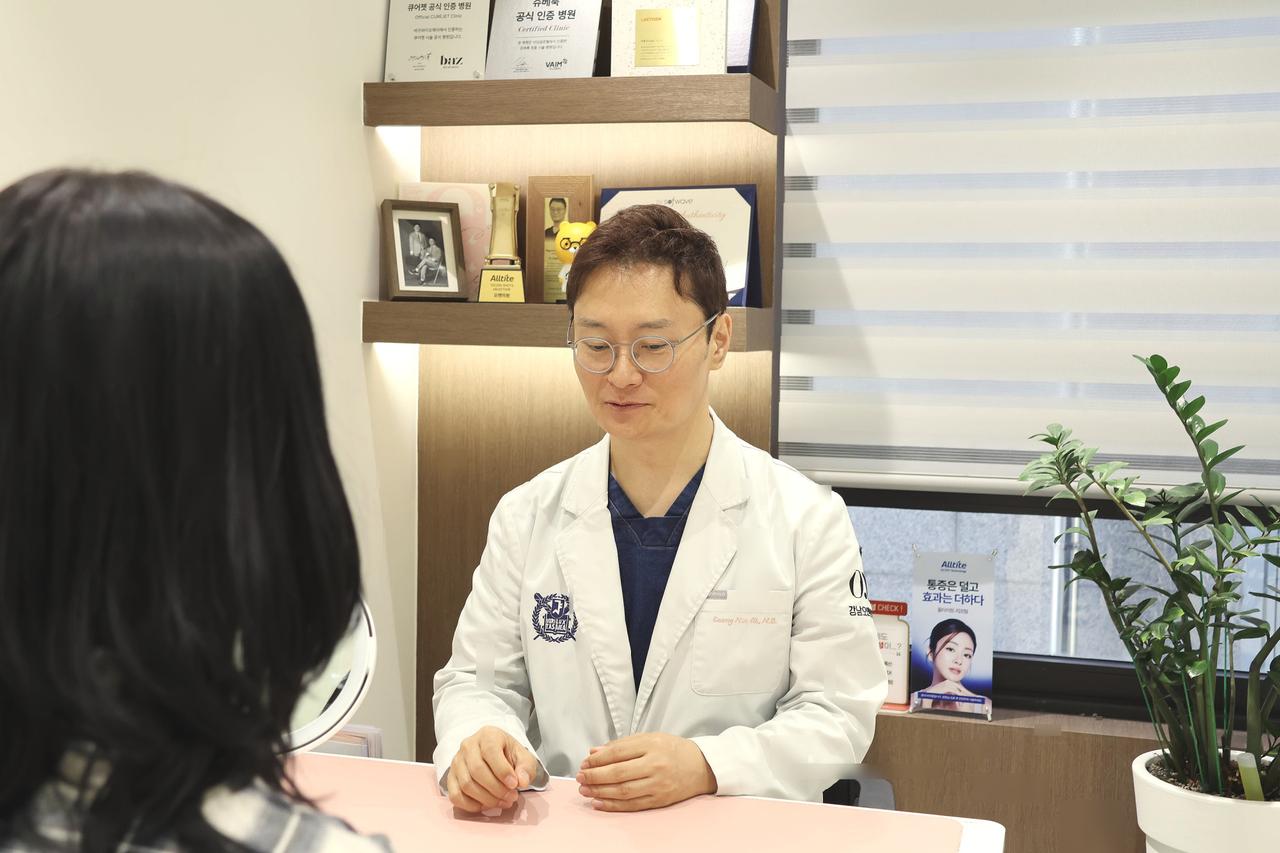
Titanium Lifting Combined with Gouri Booster: What the Combination Does
Titanium lifting handles the face line and the Gouri booster the skin foundation, so combining them divides different concerns rather than doubling the effect.
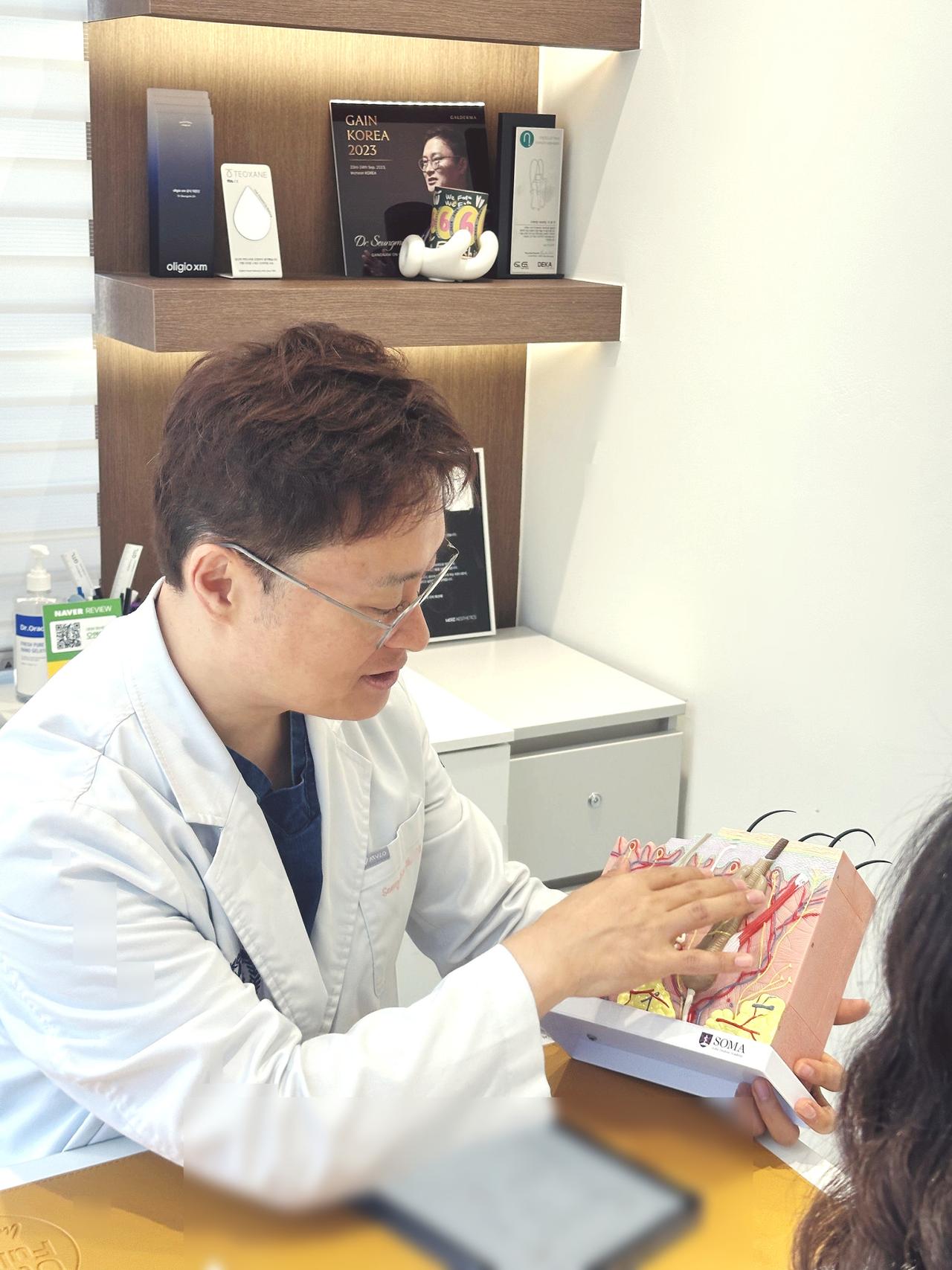
Alltite 400 Shots in One Session: Results and How Shots Are Distributed
The result of a single 400-shot Alltite lifting session depends less on the number than on how far sagging has progressed and how the 400 shots are divided across the face.

Pain and Results in Thermage Reviews: Energy Adjustment Is the Key
The pain often mentioned in Thermage reviews is not something to simply endure but a guide for setting intensity, and results are best viewed as a same-day change and a change around one month later.