
Oligio XM vs Serf: differences, effects and duration | Gangnam Seoul, Korea Dermatology Clinic Guide
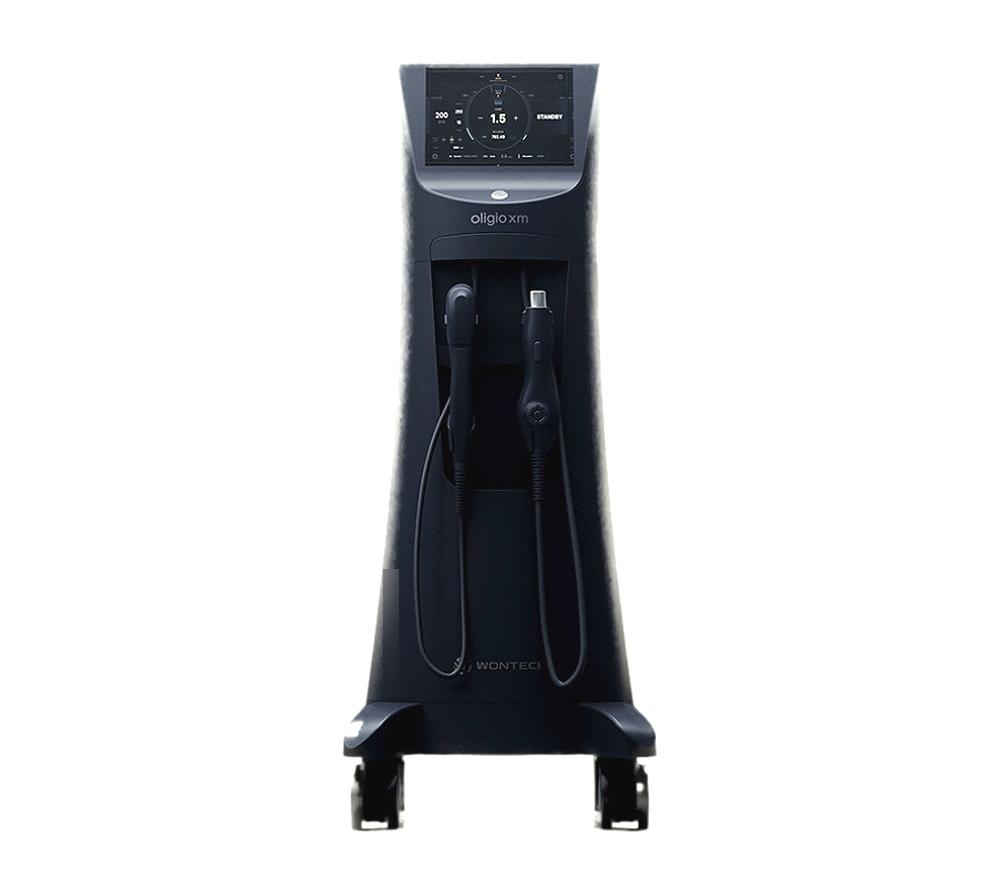
Key summary: Oligio XM and XERF are both grouped as lifting devices, but they take different directions: Oligio XM combines radiofrequency (RF) and high-intensity focused ultrasound (HIFU) in one device, while XERF splits a single RF energy into two frequencies. With both devices, results should be judged after allowing time for new collagen to form, and the maintenance period is also best set by watching each person's response. In the end, it is better to choose after first checking which layer of your face shows the most aging, rather than by device name.
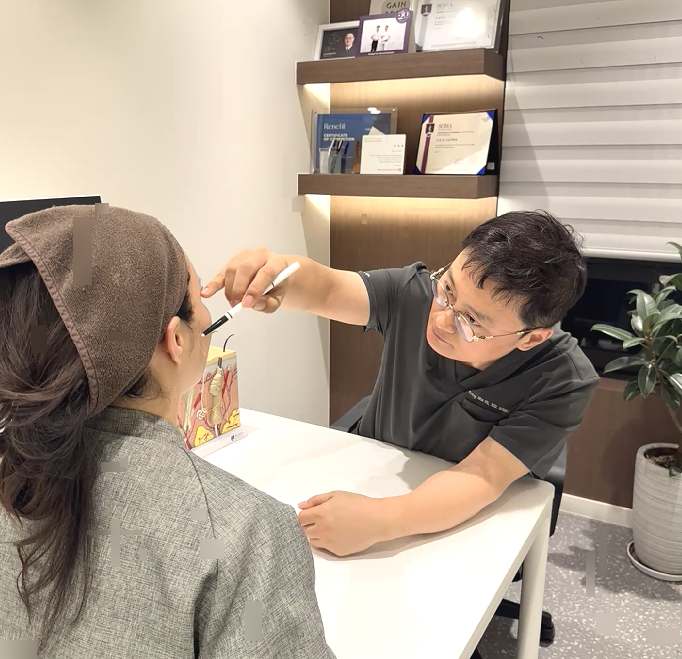
Lately in consultations we often hear, "Both Oligio XM and XERF are radiofrequency, so aren't they basically similar treatments?" As the number of devices keeps growing, quite a few people assume that anything RF-based will give similar results.
However, Oligio XM and XERF differ considerably in approach, too much to be lumped together under the single word radiofrequency. This article goes through how each device uses energy and how they differ, how the effect appears over time, and how to think about the maintenance period.
Facial aging progresses across several layers at once
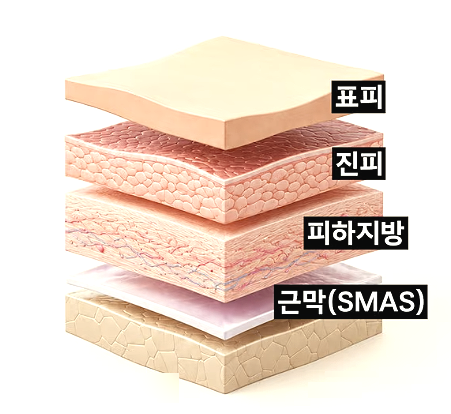
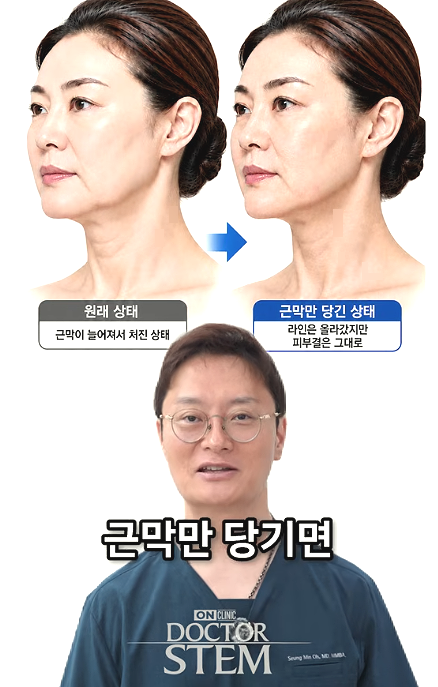
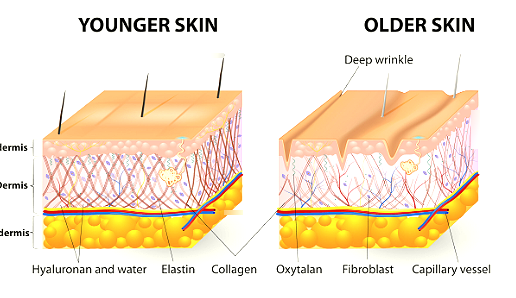
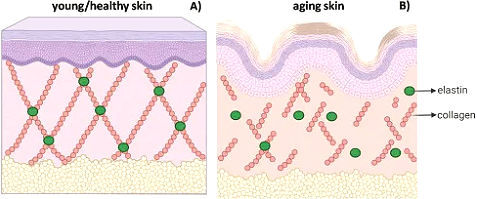
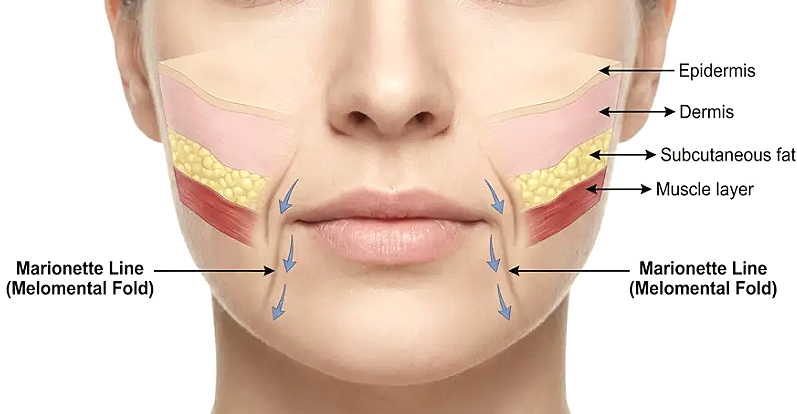
Before comparing the two devices, there is something worth knowing. Facial aging does not occur in just one place: the skin surface becomes rougher, the dermis loses elasticity, the fat layer beneath shifts position, and the deeper fascia layer loosens, all overlapping.
That is why the shared challenge for recent lifting devices is how to treat several layers together. Oligio XM and XERF are both designed to address this challenge, but they solve it in different ways.
Oligio XM: two different energies in one device
Oligio XM is the upper model in Wontech's Oligio lineup. Its biggest feature is that radiofrequency (RF) and high-intensity focused ultrasound (HIFU) can be used together within a single device.
In terms of roles, RF handles skin elasticity, while ultrasound pulls deeper tissue. According to the manufacturer, by switching between multiple modes it can treat a total of four depths from superficial to deep layers.
Put simply, it removes the inconvenience of having to use a separate RF device and ultrasound device by allowing treatment to continue on one Oligio XM unit. In addition, cooling is repeated several times each time energy is delivered, and it has a function that monitors skin temperature and impedance throughout the treatment.
XERF: one radiofrequency split into two frequencies
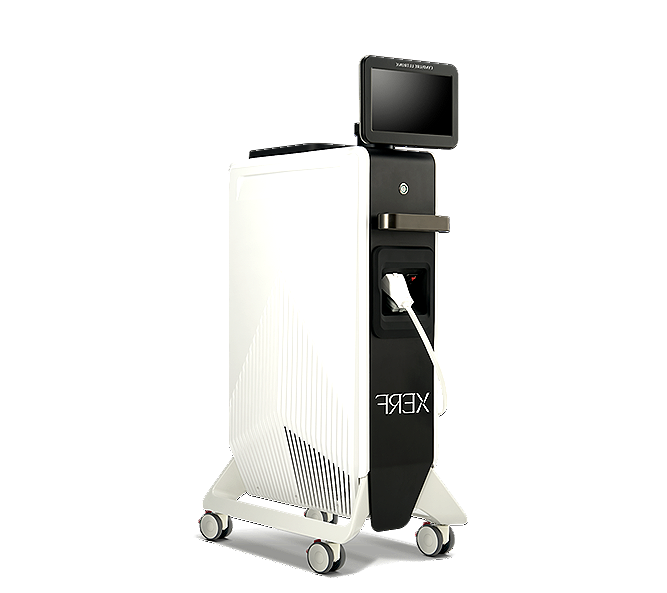
XERF is classified as a monopolar radiofrequency device that delivers energy through a single electrode. Unlike earlier devices that used only one frequency, XERF's distinguishing feature is that it combines two frequencies.
The higher 6.78MHz handles the shallow dermis, while the lower 2MHz reaches down to the deeper subcutaneous fat layer. XERF explains that heat reaching the fat layer contracts the fibrous septa, which may tighten the outer skin and also help refine the facial line.
As a safety feature, a cooling function runs alongside, and energy delivery stops when the temperature exceeds a set limit. It is easiest to understand XERF as a device that divides depth within radiofrequency.
Oligio XM and XERF: different ways of dividing layers
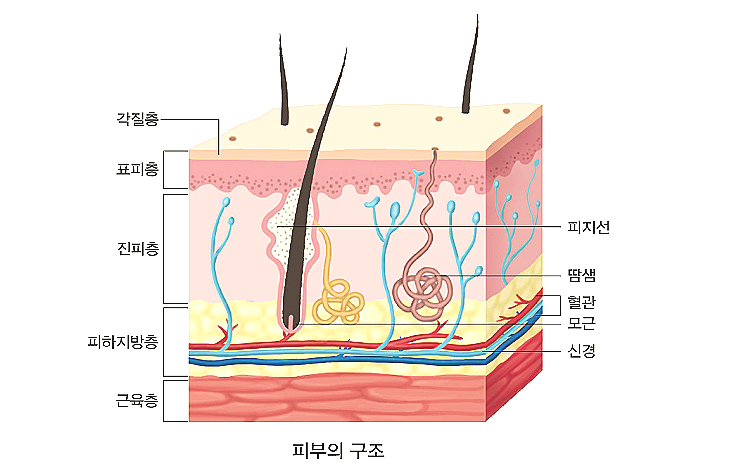
In one line, Oligio XM mixes two energies, RF and ultrasound, to separate depths, while XERF separates depths with two frequencies within a single type of RF. This does not mean one is superior; it means they approach the layers differently.
That is why we tend not to answer immediately when asked whether Oligio XM or XERF is better. Without checking which layer is mainly aging on that face, a comparison itself is hard to make.
How the effect builds and how long it lasts
Many people expect a lifted face right after radiofrequency lifting. In fact, right after treatment you may feel slightly tightened as heat energy contracts collagen, but that is closer to a starting point.
What matters in radiofrequency lifting is collagen remodeling. As the heated skin recovers, it produces new collagen, and that change shows up slowly over time.
Considering the skin's renewal cycle, many people start to notice change around one month after treatment, and the change tends to continue as collagen fills in afterward. However, this process also varies between individuals, so it is too early to judge the effect by looking in the mirror on the day of treatment.
The way to think about maintenance differs slightly by device. For XERF, the interval for repeat treatment is usually guided as between six months and one year. Oligio XM is a device that has not been out for long, so data for judging its maintenance period is still being gathered.
Because Oligio XM delivers both RF and ultrasound, we think it is more appropriate to set the interval by watching each person's response rather than simply comparing it with XERF. And since no device can stop aging itself, you can enjoy results longer by continuing care at an interval suited to your skin, keeping in mind that newly formed collagen decreases again over time.
Criteria for choosing the right device for you
If tissue has loosened down to the deeper layers and the facial contour itself needs to be supported and lifted again, we first consider Oligio XM, which combines ultrasound. On the other hand, if you want to refine skin elasticity, texture and the under-chin line together, RF alone, as with XERF, is often enough.
Even after deciding the device direction, we separately consider how thick the skin is, how much fat there is and how sensitive you are to pain. For a face whose cheek volume is already low and whose skin is thin, we avoid turning up the intensity, because trying to tighten can instead lead to cheeks that look hollow.
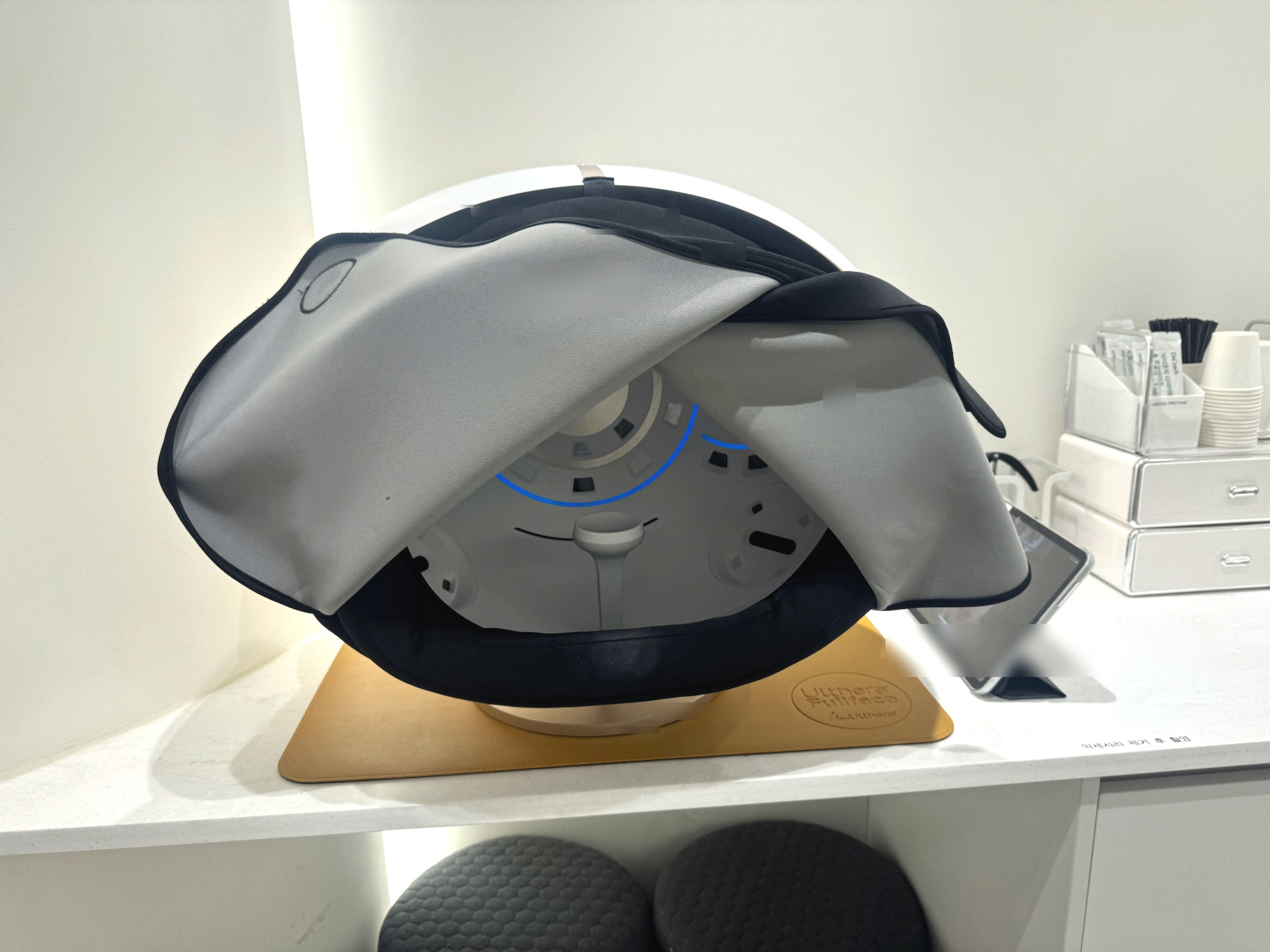
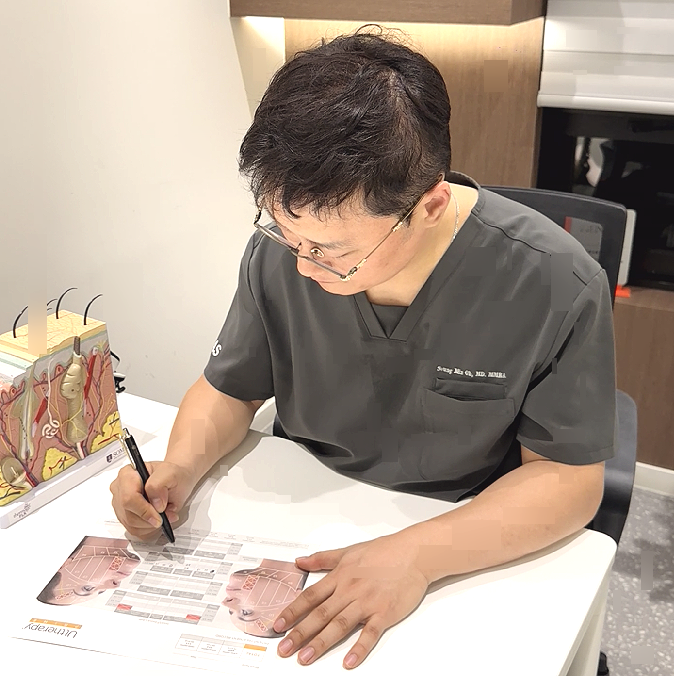
Before the consultation, O.N Clinic first measures the skin with the AI skin analyzer Muse. After reviewing measured values for thickness and elasticity, which differ by area, the medical team decides the central depth based on those results and handles everything from design to treatment.
Asking during the consultation, "In which layer is my skin aging the most?" helps in deciding between Oligio XM and XERF.
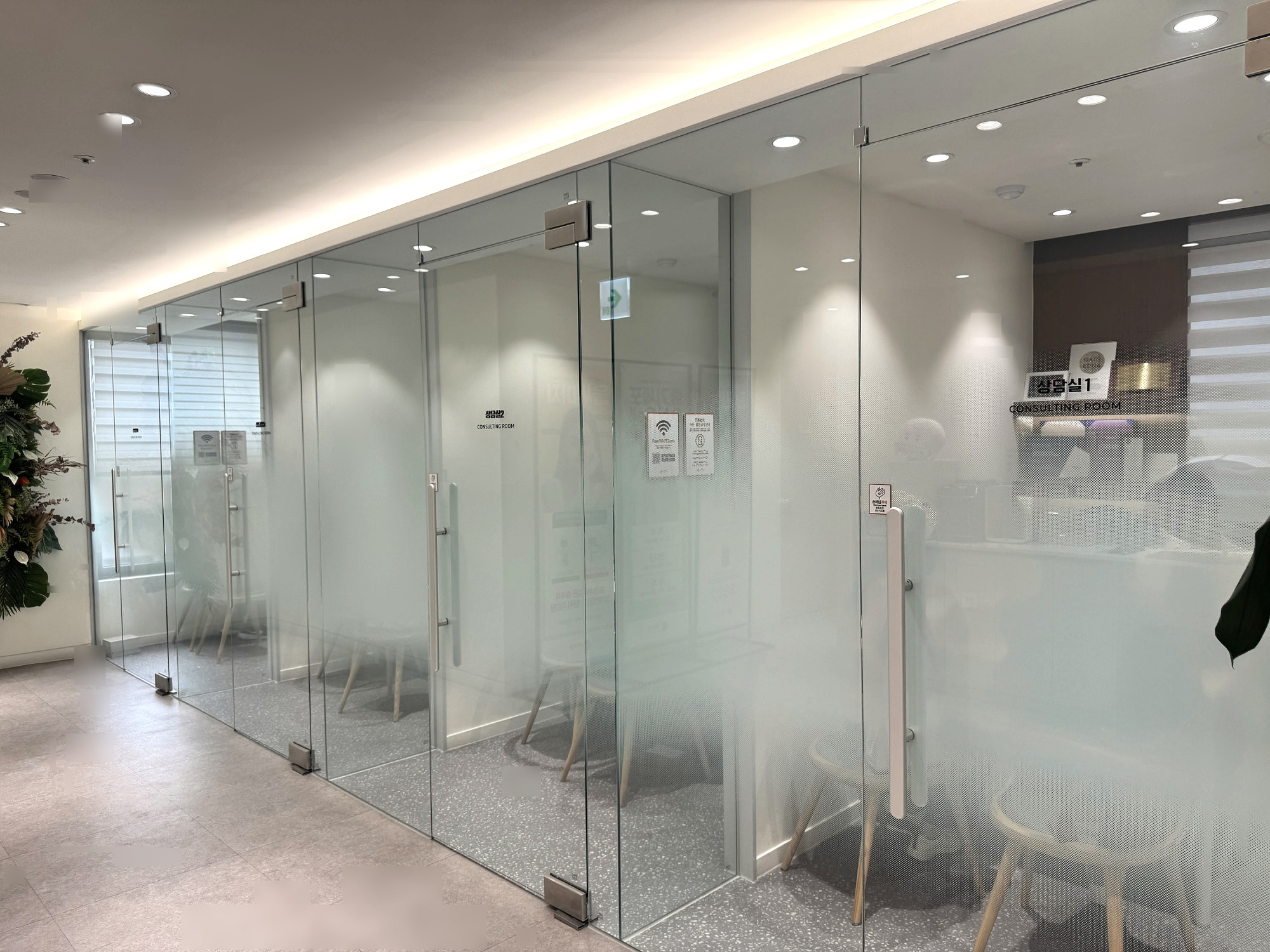
Many people come having already decided on a device name, but we believe the right order is to first examine your skin and facial contour structure and then choose the device that suits them. Please also remember that with both devices, results are judged after giving collagen time to fill in.
Frequently asked questions
My skin is on the thin side. Can I still get radiofrequency lifting?
With thin skin, the same output can be delivered more strongly, so it is important to adjust intensity and area separately. Rather than meaning you cannot have it, think of it as a case where the plan needs to be set differently, and we recommend checking whether skin thickness is assessed before treatment.
A few days have passed since treatment and I see no change. Did something go wrong?
Changes from radiofrequency lifting follow the pace at which new collagen builds up, so a few days is not enough time to judge. Many people notice changes around one month, so please give it some time.
Is it true that lifting can make the face look hollow?
Rather than being the device's fault, that impression can arise when an area lacking volume is treated without adjusting intensity. Areas that need volume call for a design that avoids them or lowers the output.
Visit and consultation
O.N Clinic is located near Gangnam Station, making it relatively easy to reach by subway.
If you are deciding between Oligio XM and XERF, we recommend starting with a consultation that first checks your skin thickness and the layers where aging has progressed. Feel free to leave your questions via Chat with us now.
Written by Dr. Oh Seung-min (Representative Director of O.N Clinic, graduate of Seoul National University College of Medicine, Academic Committee Chair of the Korean Society for Laser, Skin and Hair). See the medical team page for his full profile. First published 2026-10-08, last reviewed 2026-11-03
This article is for general information only. Suitable treatment and results may vary depending on each person's condition.
More stories
Related articles for further reading.
Oligio vs Oligio XM comparison: effects and differences by 17-year medical staff | Gangnam Seoul, Korea Dermatology Clinic Guide
The difference between Oligio and Oligio XM lies not in new versus old but in the energy and depths each can use, and the choice starts with which layer the sagging began in.

What to Confirm Before Oligio X | Oligio in Gangnam Seoul, Korea Clinic Guide
From the perspective of a consultation room, we have summarized the reasons why, when considering Oligio X in Sinnonhyeon, you should first check your skin thickness and sagging condition rather than the equipment name.
Oligio 300 vs 600 shots: price and effect, 2 tips | Gangnam Seoul, Korea Dermatology Clinic Guide
Oligio shot counts depend on facial structure, the layer where sagging began, and whether Oligio X or Oligio XM is the right device.
Why Oligio Should Not Be Repeated Monthly | Oligio in Gangnam Seoul, Korea Clinic Guide
The Oligio cycle is determined not by a fixed number of sessions, but by the time it takes for collagen to replenish. Misunderstandings about "the more often, the better" and concerns about cheek hollowing have been addressed from a fundamental principle.
Thin Skin and the Fear of Hollow Cheeks | Volume Restoration in Gangnam Seoul, Korea Clinic Guide
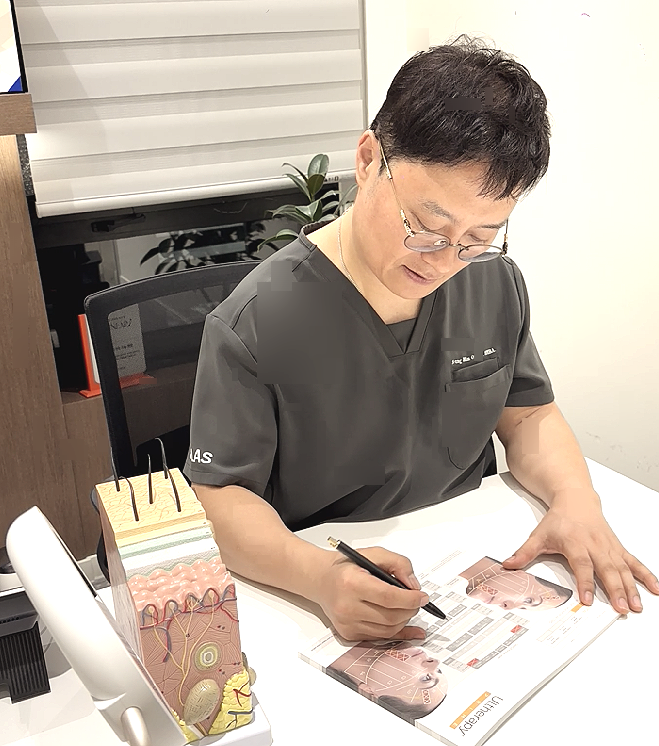
Concerns about cheek dimples seem to stem from a design that did not consider skin thickness and fat. I've organized what to check during consultation regarding how to manage strength and layers in thin skin.
Sagging Pores: Retigen or Oligio X | Oligio in Gangnam Seoul, Korea Clinic Guide
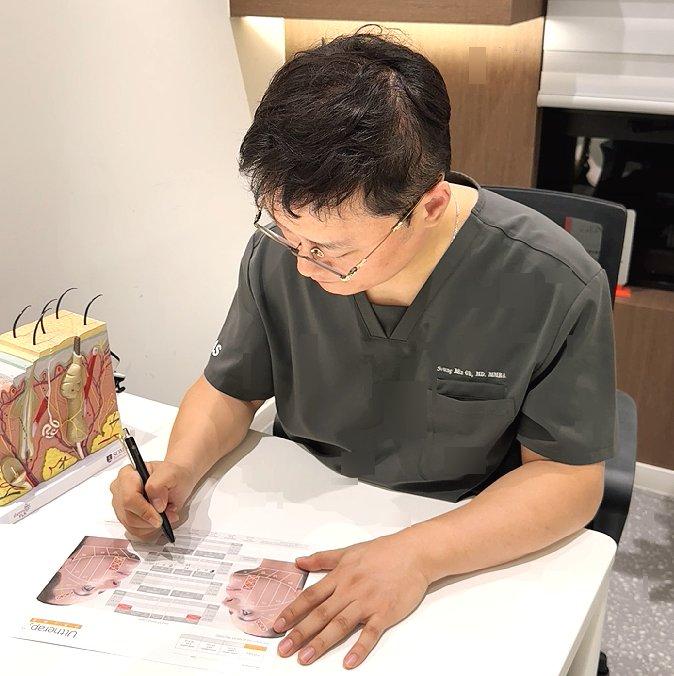
That enlarged-looking pores and sagging due to loss of elasticity are different problems, so in the clinic, we check the pore type first and then divide the treatment direction.