
Skin tightening laser: Onda vs Ultherapy, effects to pain | Gangnam Seoul, Korea Dermatology Clinic Guide
Key summary: Onda and Ultherapy are skin elasticity laser treatments that work on different skin layers rather than one simply being better than the other. Ultherapy targets the deep fascia layer (SMAS) with high-intensity ultrasound, while Onda works from the dermis to the subcutaneous fat boundary with microwave energy, and they also differ in pain and return to daily life. In practice, though, the right order is to first decide which layer of your face has loosened and where to lift and where to protect, and only then choose the device.
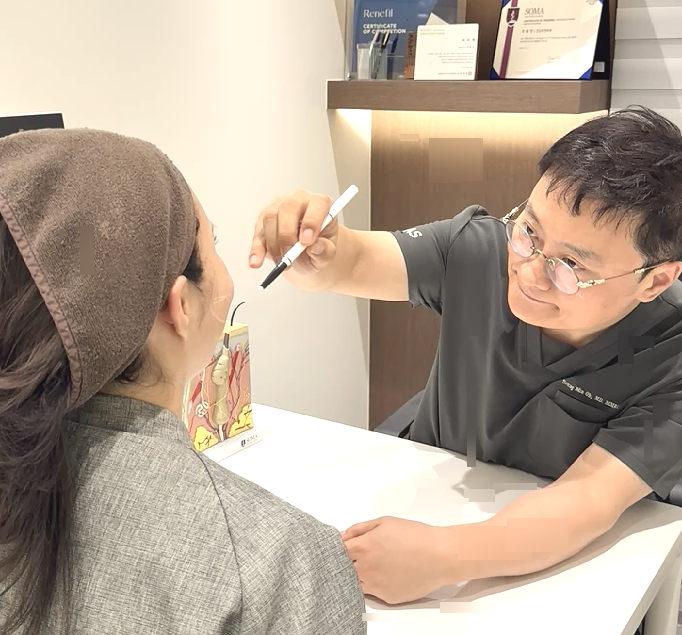
"Which is better, Onda or Ultherapy?" is one of the questions we hear most in the clinic. Yet it is hard to answer right away, because identifying where to lift and where to protect on that particular face comes before comparing the two devices.
This article starts with why reviews of skin elasticity laser treatments are so polarized, then explains which layer Onda and Ultherapy each act on, how their effects and pain differ, and what criteria we use to choose in the clinic.
Why reviews of the same skin elasticity laser treatment are so mixed
Online, lifting reviews tend to split into "it definitely tightened" and "it was a waste of money." Why do opinions differ so much for a treatment with the same name? The answer lies in the fact that facial aging does not happen in just one layer.
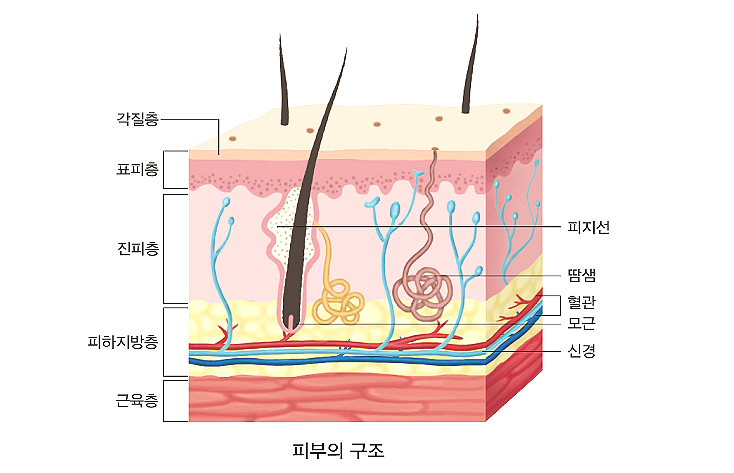
The face is built from several overlapping layers. Skin sits on top, a fat layer lies beneath it, and the fascia layer (SMAS) lies deeper still, and with age these layers loosen at different speeds. Some people have lost only skin elasticity, some have fat that has slid downward, and others have fascia that has itself become lax.
This is exactly where results diverge. Treating only the surface of a face with lax fascia makes it hard to notice any change, and conversely, strongly tightening the deep layer in thin skin with little volume may tidy the jawline but make the face look gaunt.
So we believe many "it didn't work" reviews are not the fault of the procedure itself but the result of a mismatch between the layer that loosened and the layer the treatment targeted. That is why, when comparing Onda and Ultherapy, you should look at which layer each one treats rather than how strong the energy is.
Ultherapy and Onda: different target layers and effects
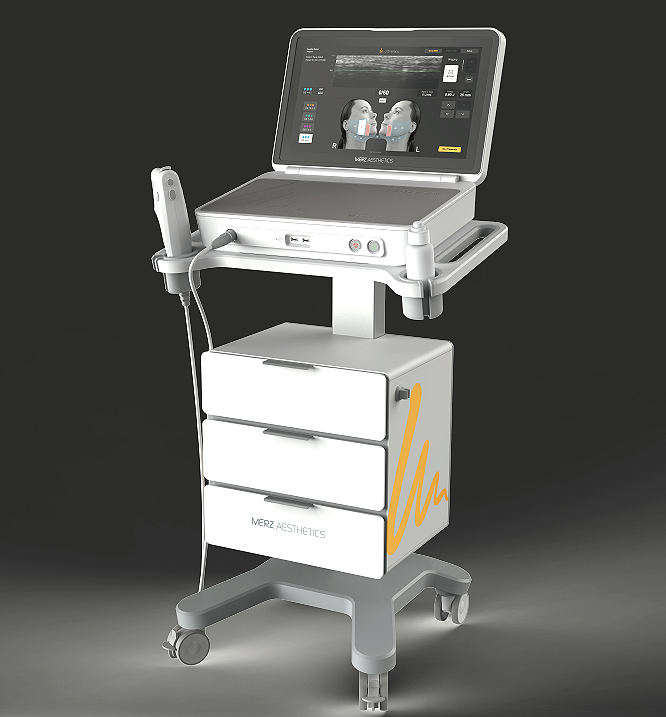
Ultherapy aims at the deepest layer within the skin. Because it concentrates ultrasound energy at high intensity into a narrow focal point that reaches the fascia layer (SMAS) supporting the facial framework, its strengths tend to show when treating cheeks and jawlines where sagging has already progressed considerably.
Because strong energy goes deep, the pain of Ultherapy is known to be moderate to strong. If you are sensitive to pain, it is a good idea to take this into account at the consultation stage.
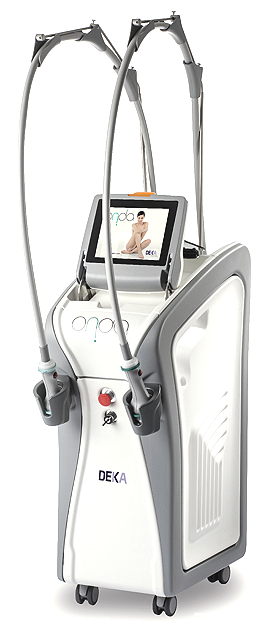
Onda works on a shallower boundary than Ultherapy. Since it uses microwave energy acting from the dermis to the subcutaneous fat boundary, it affects the fat layer along with skin elasticity, and it tends to suit cases with a double chin or a blurred jawline.
The pain of Onda is known to range from mild to moderate, and it is introduced as a treatment with almost no downtime, allowing a same-day return to daily life. This is also why people with busy schedules often consider Onda.
By general criteria, the two devices divide like this. If deep sagging needs to be lifted structurally, we look at Ultherapy first, and if you want to refine fat and the jawline along with elasticity but find pain a burden, we look at Onda first. In the clinic, however, we do not decide on a skin elasticity laser treatment by these general criteria alone.
Deciding where to protect before deciding where to lift
Surprisingly, what we examine longest before a treatment is not where to lift but where not to touch. The cheeks can look older with even a small loss of volume, areas with especially thin skin absorb incoming energy as it is, and paths where nerves run must also be avoided.
If energy goes straight into these areas, the jaw may become defined while the cheeks look hollow, making the overall impression more tired. This is the background behind comments that someone looks older after lifting.
So before treatment, we divide the face into two zones: areas to lift and areas to protect. Only after this division is complete can we decide what energy to deliver, at what depth and how much.
How we choose between Onda and Ultherapy in the clinic
Even when age and concerns look similar, how thick the skin is, where fat is concentrated and in which layer sagging began differ from person to person. Telling these differences apart by eye alone is not easy.
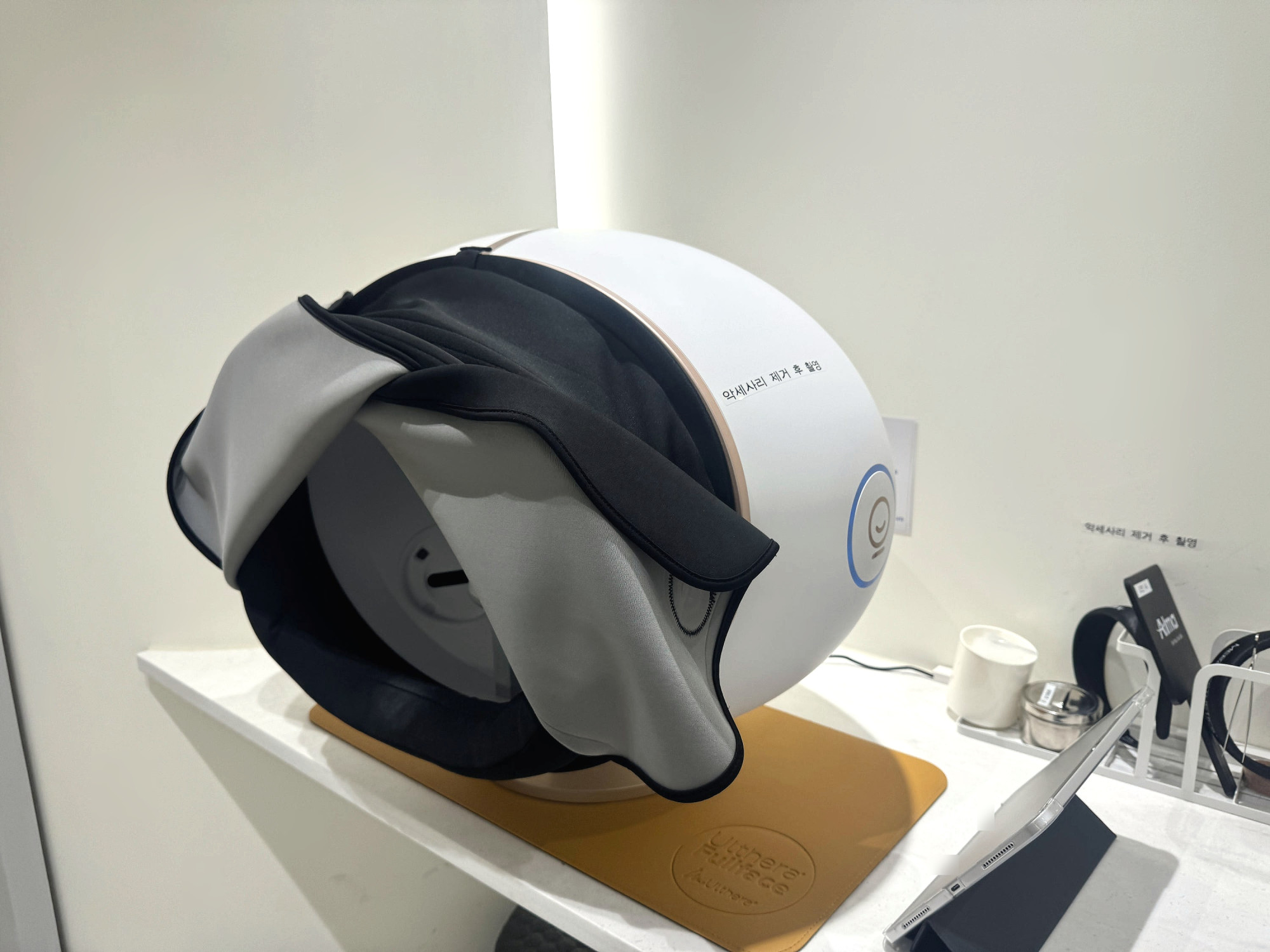
At O.N Clinic, before the consultation we measure the current skin with the AI skin analyzer Muse. After checking with data what is hard to distinguish by eye, the doctor personally maps the facial structure to design the plan, and the treatment is carried out based on that design.
We do not choose to push energy as strong as possible. If there is an area to protect, we boldly leave it untreated, because something lacking can be supplemented next time, but a cheek that has become hollow is hard to reverse.
The order is always the same. We first mark the areas where volume should remain, then decide the areas to lift, and finally judge which device, Onda or Ultherapy, is the right fit.

Depending on the case, Onda and Ultherapy may be combined, and sometimes one is enough. Many people arrive having already chosen a treatment, but we believe the right order is to examine the skin layers and contour structure first and then choose the device.
Frequently asked questions
Is it true that lifting makes the face look gaunt?
Rather than being the device's fault, that impression can arise when heat reaches areas where volume should have been left. It helps to ask during the consultation whether protected zones are separated in the design.
I am very sensitive to pain. Can I still get Onda or Ultherapy?
Pain sensitivity is also a factor reflected in the treatment design. The burden can be reduced by adding anesthesia or cooling and lowering the output, so if you are sensitive to pain, please let us know in advance at the consultation.
Is it okay if my skin is on the thin side?
With thin skin, the same setting can feel and be delivered more strongly, so it is important to set intensity separately by area. It does not mean you cannot have treatment, but rather that the plan needs to be designed differently.
Visit and consultation
O.N Clinic is located near Gangnam Station, making it relatively easy to reach by subway.
If you are torn between Onda and Ultherapy, we recommend starting with a consultation that checks your facial skin layers and contour structure before focusing on device names. Feel free to leave your questions via Chat with us now.
Written by Dr. Oh Seung-min (Representative Director of O.N Clinic, graduate of Seoul National University College of Medicine, Academic Committee Chair of the Korean Society for Laser, Skin and Hair). See the medical team page for his full profile. First published 2026-10-09, last reviewed 2026-11-03
This article is for general information only. Suitable treatment and results may vary depending on each person's condition.
More stories
Related articles for further reading.
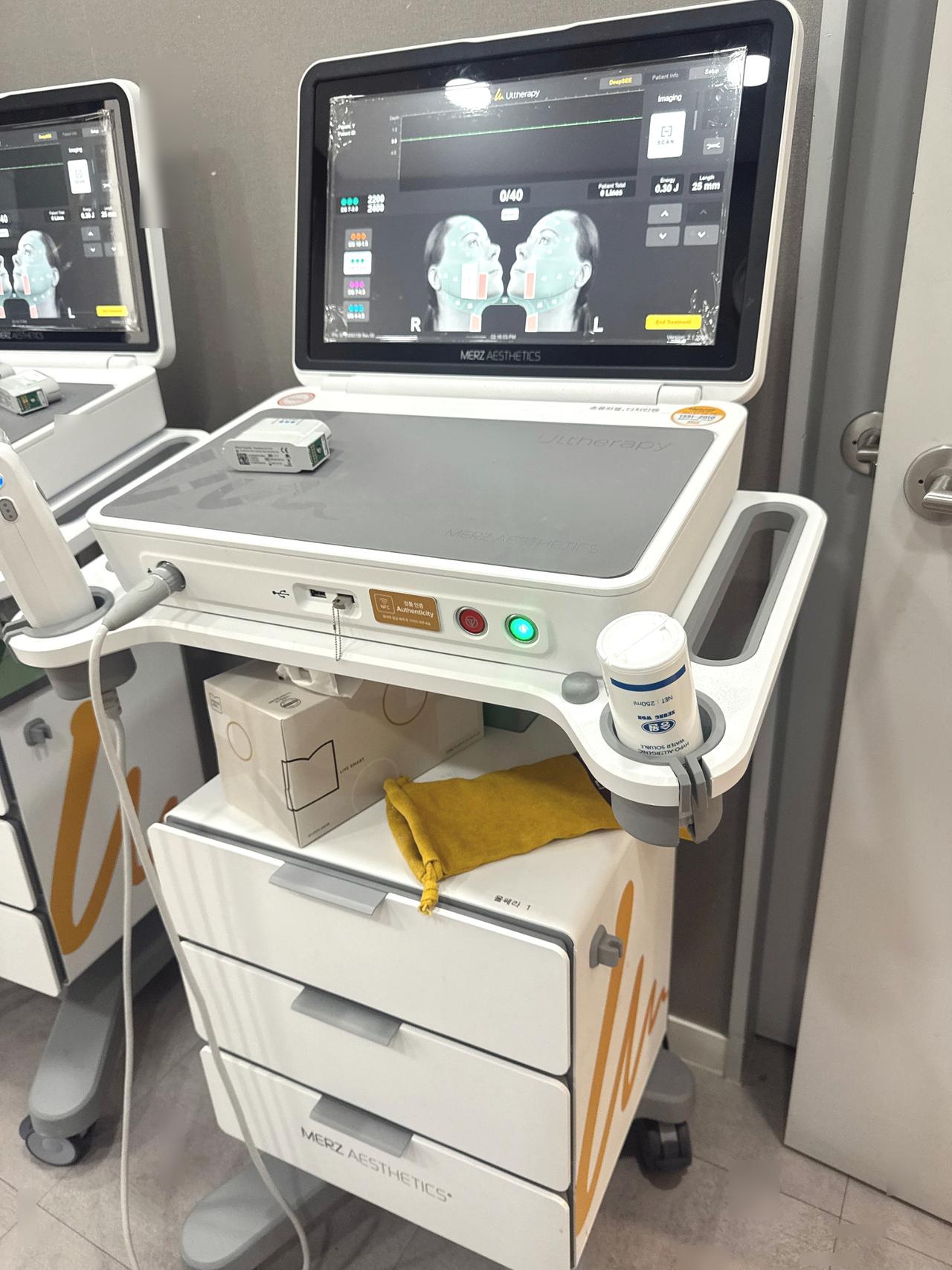
Thermage FLX vs Titanium vs Ultherapy? Effects & duration - Dr. Oh Seung-min | Gangnam Seoul, Korea Dermatology Clinic Guide
Thermage, Titanium and Ultherapy are better compared by the timing you want and your facial condition than by ranking, and how long results last depends on those same factors.
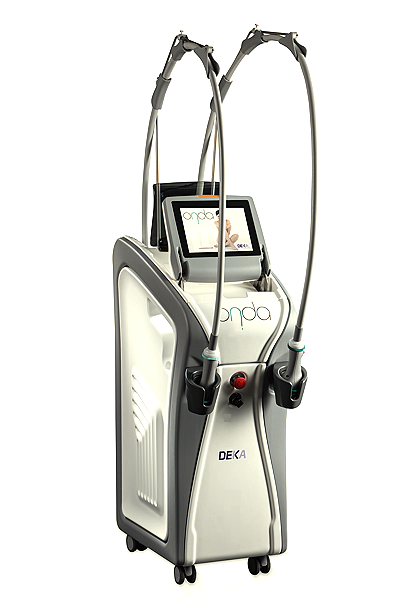
Sinnonhyeon dermatology, Onda lifting effects? Cycle? All about it | Gangnam Seoul, Korea Dermatology Clinic Guide
Onda Lifting is not chosen just because the face looks full; we separate fat that can be reduced from volume to keep, then judge the interval from how the previous session changed the face.

Can Ultherapy and Alltite Be Done Together | Ultherapy in Gangnam Seoul, Korea Medical Tourism Guide
It's not a matter of choosing one of the two; rather, in the clinic, we are organizing treatments to be performed together, where deep sagging is handled by Ultherapy (PRIME) and broad elasticity reduction is handled by Alltite.
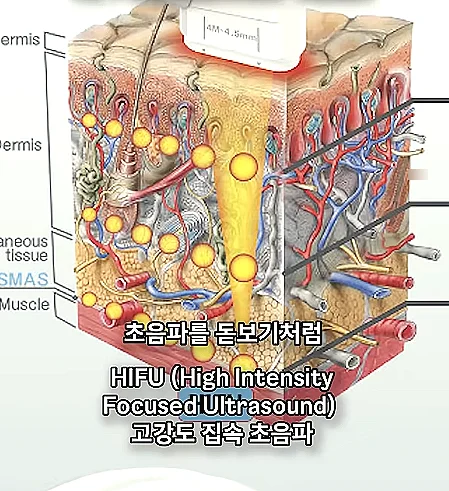
A Double Chin May Be Sagging, Not Fat | Body Contouring in Gangnam Seoul, Korea Clinic Guide
If you have a double chin that doesn't go away with dieting, distinguishing whether the cause is fat or sagging is a starting point for choosing a procedure in Gangnam.
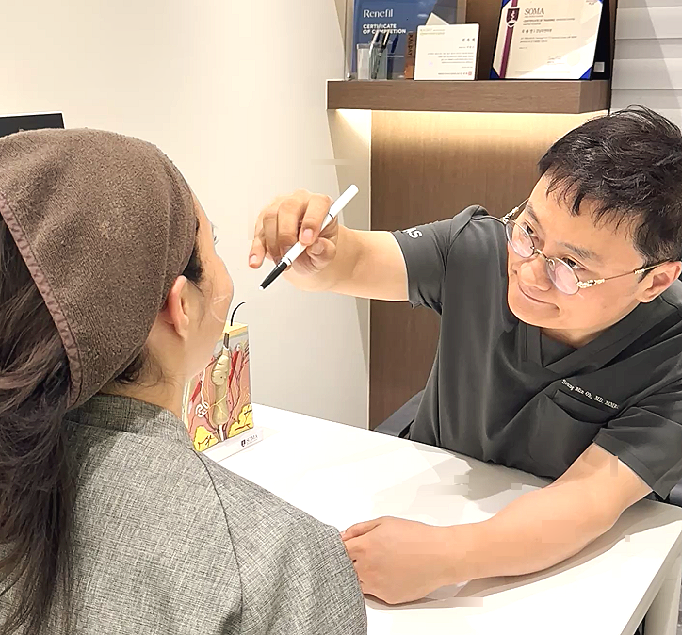
Onda Is a Device About Depth Control | Onda in Gangnam Seoul, Korea Clinic Guide
Because microwaves simultaneously address dermal elasticity and the contour of the fat layer, how deep and how much you put in determines the results. We have organized the points to check when looking at a hospital.
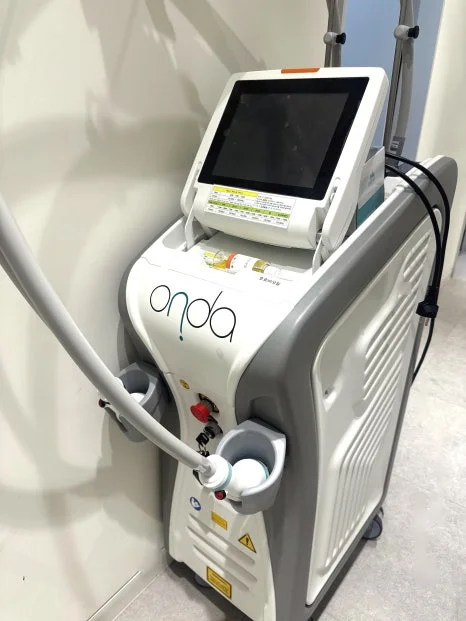
Combined Lifting Has an Order | Lifting in Gangnam Seoul, Korea Medical Tourism Guide
Alltite Titanium Onda may have different perceived results depending on the timing of the procedure and personalized design, rather than just the equipment name. Please check how these two criteria are distinguished in the consultation room.