
Teosyal filler review: temple and cheek hollowing concerns | Gangnam Seoul, Korea Dermatology Clinic Guide
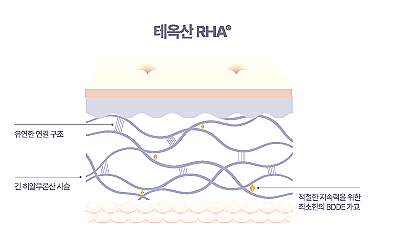
Key summary: When temple and side-cheek filler looks awkward while smiling or chewing, the cause often lies less in the fact that filler was injected than in what kind of filler was placed in which layer and whether movement was taken into account. Teosyal filler is characterized by a texture that stretches and returns with expressions, but what decides the result is an anatomical plan that examines vessels and layers.
Hollow temples and side cheeks: why people put off filler
Many people are bothered by hollow temples and side cheeks yet have postponed filler for years, worried it will look unnatural when they smile. It is natural to hesitate after hearing that it looks fine at rest but lumpy when smiling or eating.
Looking a little more closely at this concern, however, the cause often lies somewhere other than the filler itself. In most cases, the result is decided by the filler's properties, the layer where it was injected, and how much the movement of the face was considered.
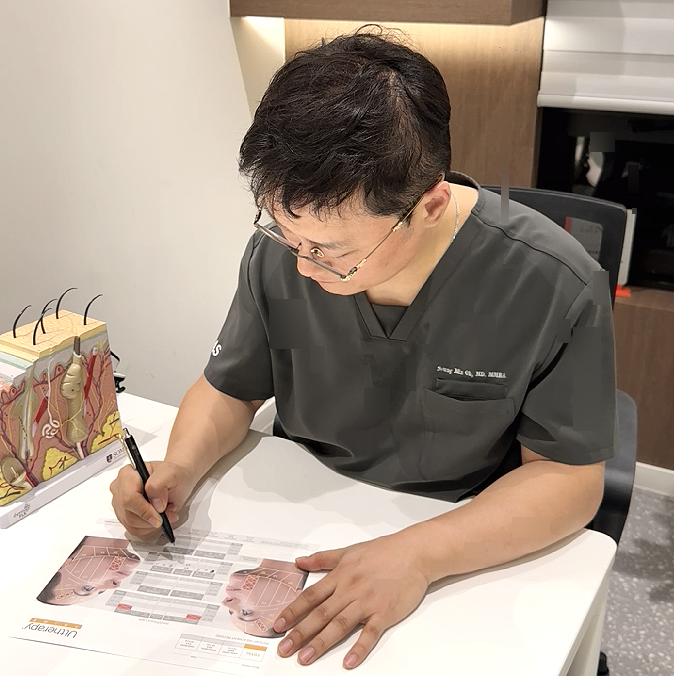
In this article, I will go through how Teosyal filler is applied to areas with a lot of movement such as the temples and side cheeks, and what the anatomical planning that decides the result involves.
Natural filler is judged while the face moves
Many people think of natural filler as the result of injecting a small amount so it does not show. The naturalness I use as a standard in the clinic is a little different: even when talking, smiling, or chewing, the filler moves as one with the surrounding tissue so the injected area does not stand out.
The temples and side cheeks are areas where this naturalness is especially important. A muscle used in chewing runs beneath the temples, and the side cheeks contract and relax countless times a day through conversation and laughter.
When a stiff product settles in places that move constantly like this, that part tends to look as if it is moving separately when you make expressions. Worries that the side cheeks look lumpy when smiling or the temples bulge when chewing mostly arise from this point.
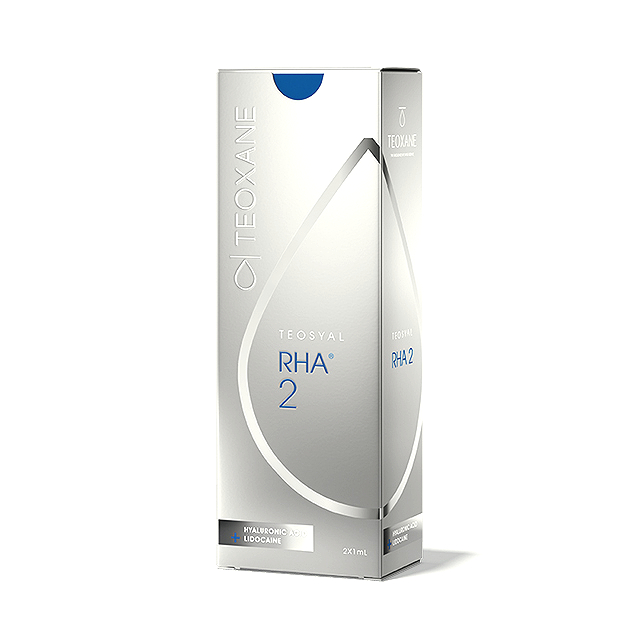
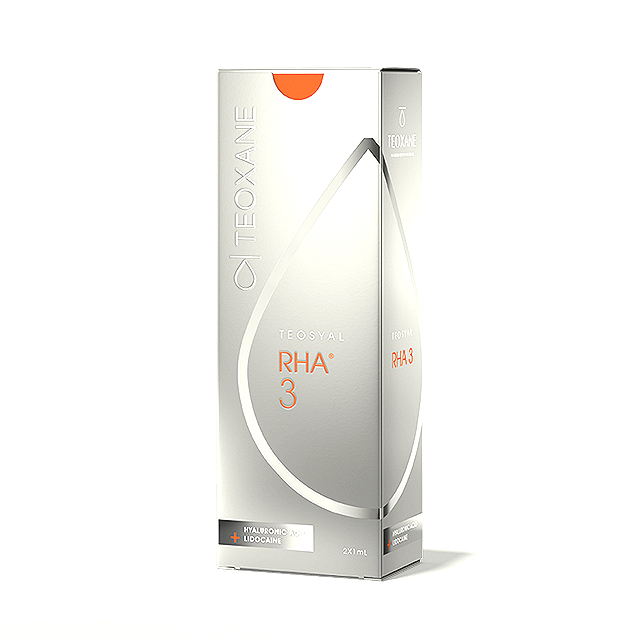
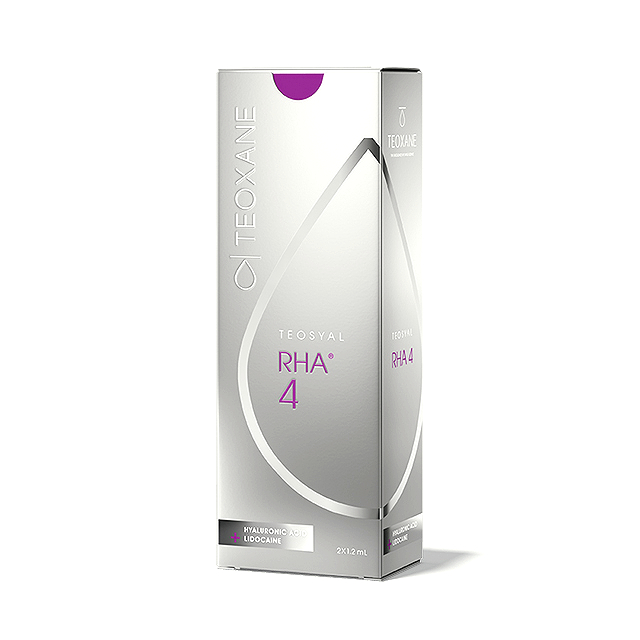
The properties of Teosyal filler and the RHA line
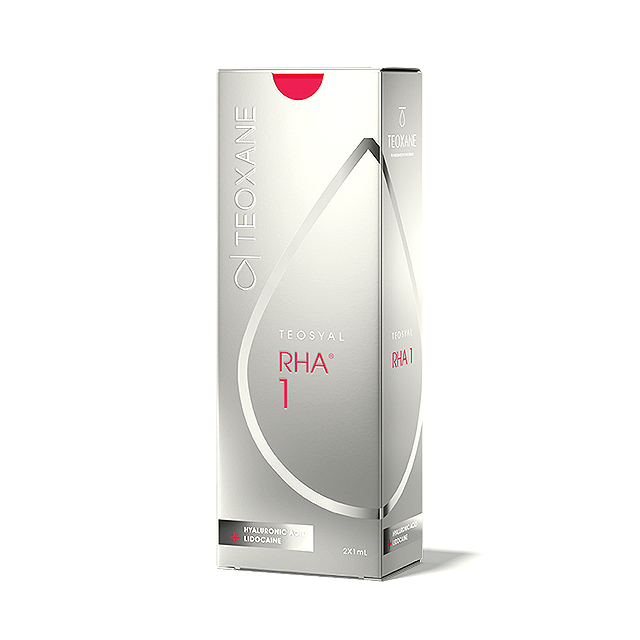
What I use in such areas is the RHA line of Teosyal filler. Teosyal is a hyaluronic acid filler produced by Teoxane of Switzerland. Among its products, the RHA line is known to be made with a process that reduces crosslinker use and keeps the hyaluronic acid chains long.
Thanks to this process, the gel retains the elasticity to stretch and then regain its shape, and it is introduced as a product made to follow changes in expression. This texture is exactly why Teosyal is considered for temple and side-cheek filler.
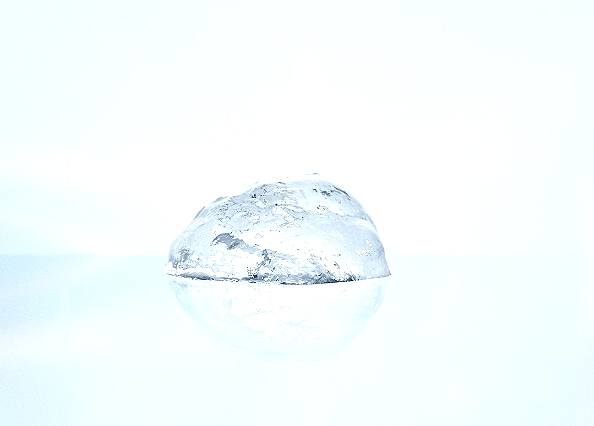
It is common to think filler must be firm to last, but in areas that move constantly, flexibility matters just as much. In the end, the key to natural temple and side-cheek filler is not a small amount but whether a product that stretches and recovers with expressions was chosen.
Why results differ even with the same Teosyal
Choosing a filler suited to moving areas is only the starting point. Even using the same Teosyal filler, the level of finish varies with which layer, how much, and in what order it is injected.
The standard here is the anatomical structure of the face. The term sounds stiff, but the idea is simple: it means mapping out in what order muscle, fat, and blood vessels are layered beneath the skin and which paths they take.
For example, near the temples there are vessels that require caution, such as the superficial temporal artery, and inside the side cheeks, facial expression muscles and fat are intermingled in several layers. The firmness and flexibility needed also differ by area, so if the right line among Teosyal fillers is not chosen, the result may fall short of expectations.
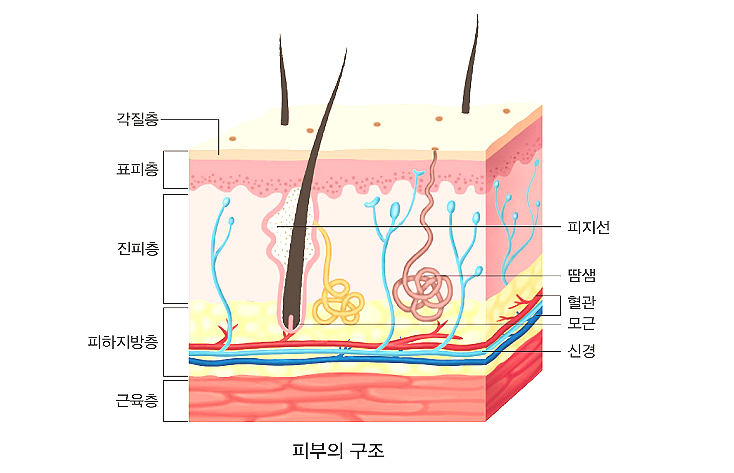
Anatomical planning that examines vessels and layers
I should say first that Teosyal is still a filler, so swelling or bruising can occur after treatment, and although very rare, there is room for vascular problems. Even so, I believe the risk can be lowered considerably by closely identifying the paths of vessels and the depth of tissue before treatment and deciding the appropriate line and depth for each spot.
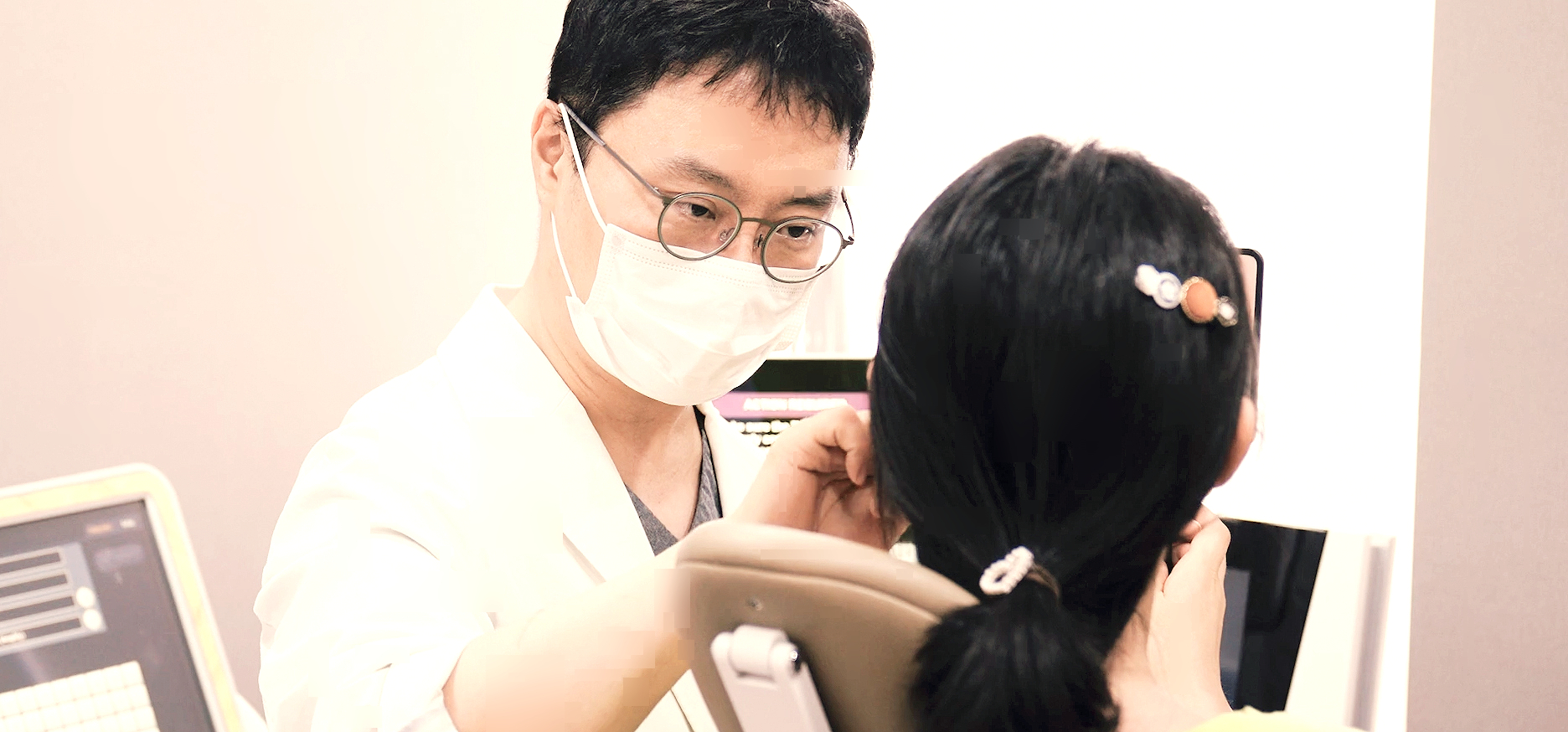
When planning temple and side-cheek filler, I start by measuring skin condition and how deep the hollows are, and compare the face side by side at rest and while smiling. Then, taking into account where vessels run and the depth of tissue, I personally decide the line and amount for each area, and I avoid filling more than the hollow calls for.
After treatment, I also follow the process of swelling going down and the filler settling in. During consultation, it is also a good idea to ask which layer would be best given the location of your temple vessels and your usual expression habits.
Recovery and precautions
After Teosyal filler treatment, swelling, bruising, and pain may appear, and in rare cases side effects such as nodules, inflammation, or vascular occlusion may occur. The degree of change and the course of recovery are not the same for everyone, and whether to proceed and which method to use are decided after an examination.
In the end, filler that looks natural even in motion is not completed by a product name alone. When addressing hollow temples and side cheeks, what decides the result is a plan that considers the product's properties, vessels and depth, and anatomical structure together, looking at both the face at rest and everyday expressions.
Frequently asked questions
I heard that with temple filler, movement shows when chewing.
Because there is a chewing muscle beneath the temples, if a stiff product goes into the wrong depth, that spot can show every time you chew. Therefore, it is necessary to choose a product that stretches well, identify the depths where muscles and vessels lie, and then decide the injection depth.
Will filler in the side cheeks make my face look wider?
If more is injected than the hollow calls for, or the placement is off, the face can look wider. Deciding the amount and placement so that the edges of the hollow are smoothly connected can reduce that concern.
What if it looks lumpy when I smile after treatment?
Unevenness that appears when smiling is usually a sign that the chosen product or the injection depth did not match the movement of that area. During consultation, check whether the plan is made after looking at both your face at rest and while smiling.
Is temple filler not dangerous because of the vessels?
The temples are a place where vessels requiring caution run, so the vessel paths and tissue depth are always examined before starting. Although uncommon, vascular problems can occur, so if pain grows stronger after treatment or the skin color changes, please contact us without delay.
Visiting and consultation
O.N Clinic is near Gangnam Station, so it is fairly easy to reach by subway.
With Teosyal filler, the plan differs according to how hollow the temples and side cheeks are, the vessels and layers, and your expression habits, so the consultation goes more smoothly if you recall the moments when smiling or chewing bothered you most before your visit. If you have any questions, Chat for a consultation now
Author: Dr. Oh Seung-min (Chief Director of O.N Clinic, graduate of Seoul National University College of Medicine, Academic Committee Chair of the Korean Society for Laser Dermatology and Hair). His full credentials are available on the Medical Staff Introduction page. First published 2026-10-02, last reviewed 2026-11-03
This article is for general informational purposes only, and the appropriate treatment and results may vary depending on each person's condition.
More stories
Related articles for further reading.
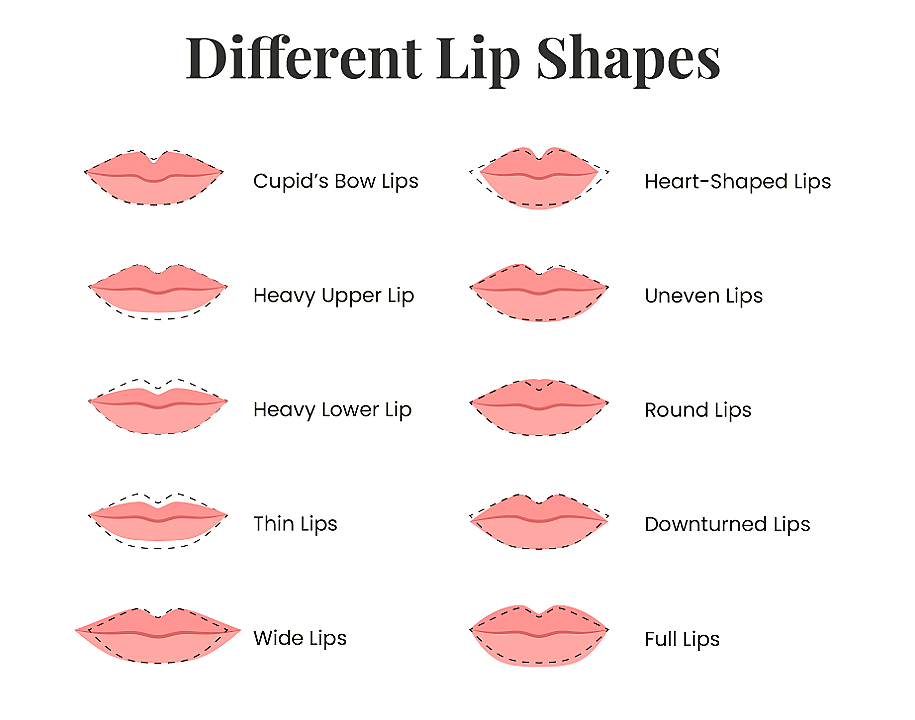
Natural lip filler: Why O.N Clinic Gangnam chose Teoxane | Gangnam Seoul, Korea Dermatology Clinic Guide
Whether lip filler looks natural depends on facial proportion and lip movement rather than volume, and we chose Teoxane because its lines can be assigned area by area.
Hyalowave for Hollow Cheeks Without Filler | Fillers in Gangnam Seoul, Korea Clinic Guide
HILO WAVE is not an immediate filling method, but rather it induces collagen and elastin production with high and low molecular weight hyaluronic acid. We have summarized the reasons why it might be considered for the side cheeks and temples.
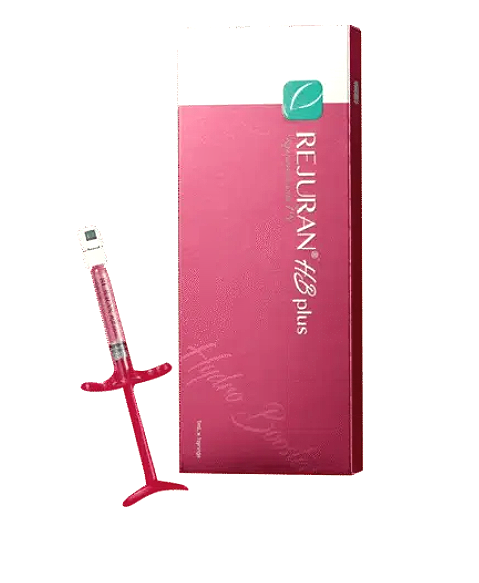
Filler, Rejuran and Juvelook Do Different Jobs | Rejuran in Gangnam Seoul, Korea K-Beauty Guide
It seems that the three things are not in a competitive relationship, but rather have different roles. We have organized the selection criteria by dividing them into three axes: volume, texture, and collagen.
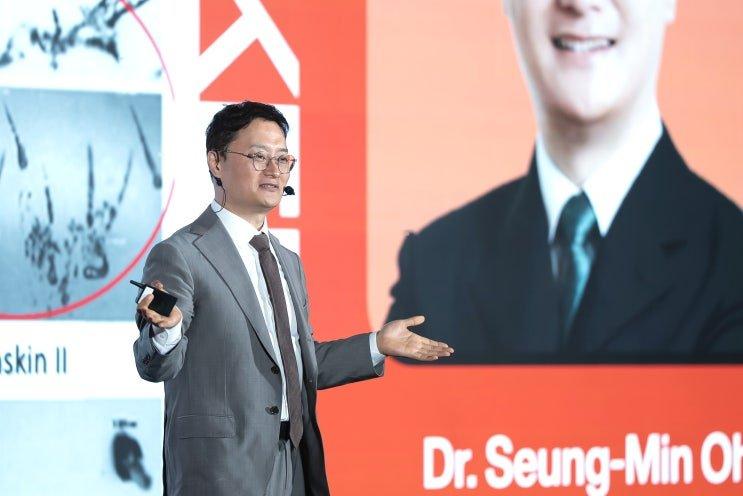
Will Alltite Hollow Out Your Cheeks | Alltite Lifting in Gangnam Seoul, Korea Clinic Guide
Alltite lifting is not a procedure that applies the same intensity to the entire face, but rather, when designing by dividing the sagging areas and the areas where volume will be left, it may be able to reduce concerns about cheek hollowing.
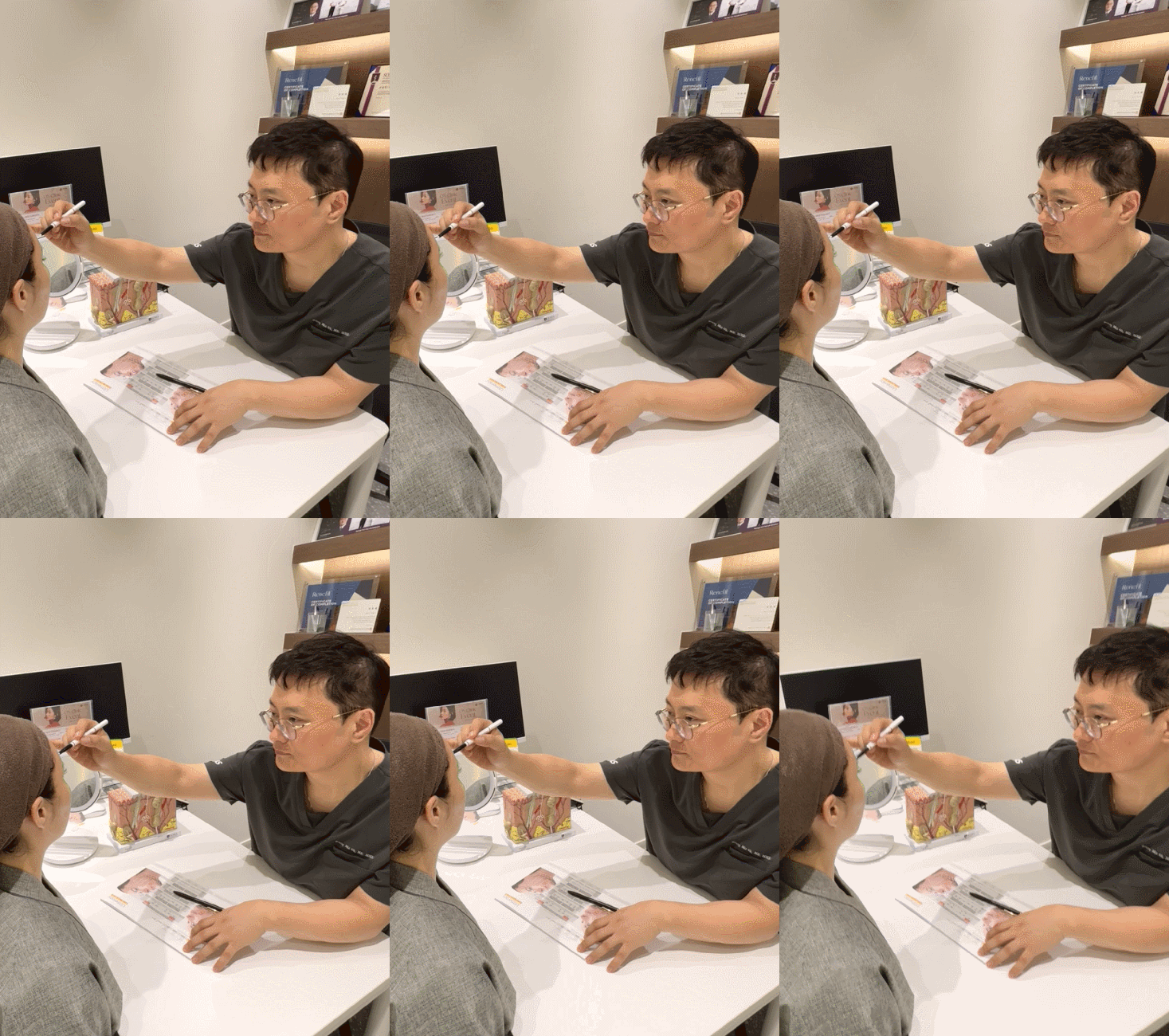
filler-inflammation-necrosis-side-effect-guide
If you are concerned about filler inflammation and necrosis side effects, please check the importance of vascular accidents and the procedure layer that cause them, and learn about the criteria for selecting a safe procedure.
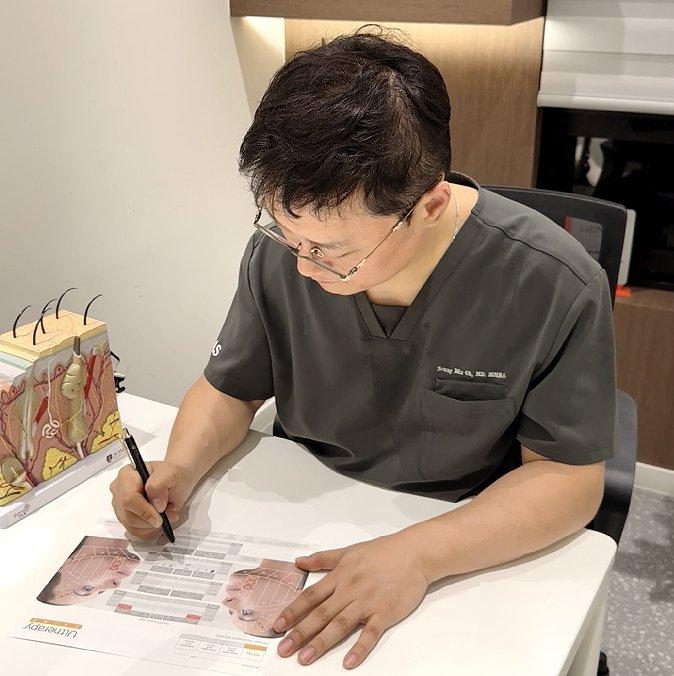
Shoulder Filler and Trapezius Botox Together | Fillers in Gangnam Seoul, Korea Clinic Guide
The combination of shoulder filler and trapezius botox may vary depending on whether the reason for the shoulders appearing flat is a lack of volume or the trapezius muscles. Director Oh Seung-min of Gangnam Sinnonhyeon O.N Clinic has organized the criteria for distinguishing between the two procedures in the examination room.